 Bahasa
Sealant Already Applied but Still Leaking? Here Are the Most Common Causes
The sealant has already been applied, but water still seeps through when it rains? This is a common issue found around glass installations, frames, windows, and various building joints.
The problem is not always caused by the quality of the sealant itself. Surface conditions, joint design, application methods, and even hidden water entry paths can all affect the final performance of the sealant.
Before deciding to add or replace the existing sealant, there are several things that should be checked first.
The Surface Was Not Properly Prepared Before Sealant Application
Dust, oil residue, old sealant remnants, or damp surfaces are common reasons why a sealant application does not perform as expected. Even if the joint appears neat from the outside, the sealant may not have bonded properly across the entire joint area.
Small gaps left behind can become pathways for water intrusion, especially when the area is exposed to rain or direct water flow. Surface cleanliness and condition should always be checked before applying sealant to ensure optimal adhesion.
Using the Wrong Type of Sealant
Sealants are available in many different types, and each one has its own characteristics.
A product suitable for interior applications may not be ideal for exterior areas that are constantly exposed to weather conditions. Likewise, a sealant designed for concrete may not be suitable for glass or aluminum applications.
Before application, make sure that the selected sealant is compatible with both the joint material and the environmental conditions of the installation area.
Inspect the Condition of the Joint
The size of the joint gap plays an important role in sealant performance. Gaps that are too wide or too narrow can both create problems during application.
From the outside, the joint may appear fully sealed, while some sections remain inadequately filled. Small voids like these can become pathways for water seepage during rainfall or when the surface is exposed to large amounts of water.
The condition and dimensions of the joint should be evaluated before reapplying sealant. Small details within the joint area can significantly affect the sealant's ability to create a watertight seal.
Material Movement Can Create New Gaps
Joints between glass, aluminum, concrete, and other materials do not always remain in the same condition. Exposure to heat and rain can cause materials to expand and contract, even when the movement is not visible to the naked eye.
Repeated movement can place stress on the joint area. As a result, sealant that was previously performing well may begin to crack, separate from the substrate, or lose its ability to maintain a tight seal.
These conditions are commonly found around windows, façades, curtain walls, and building joints that are directly exposed to outdoor weather conditions.
Avoid Applying New Sealant Directly Over Old Sealant
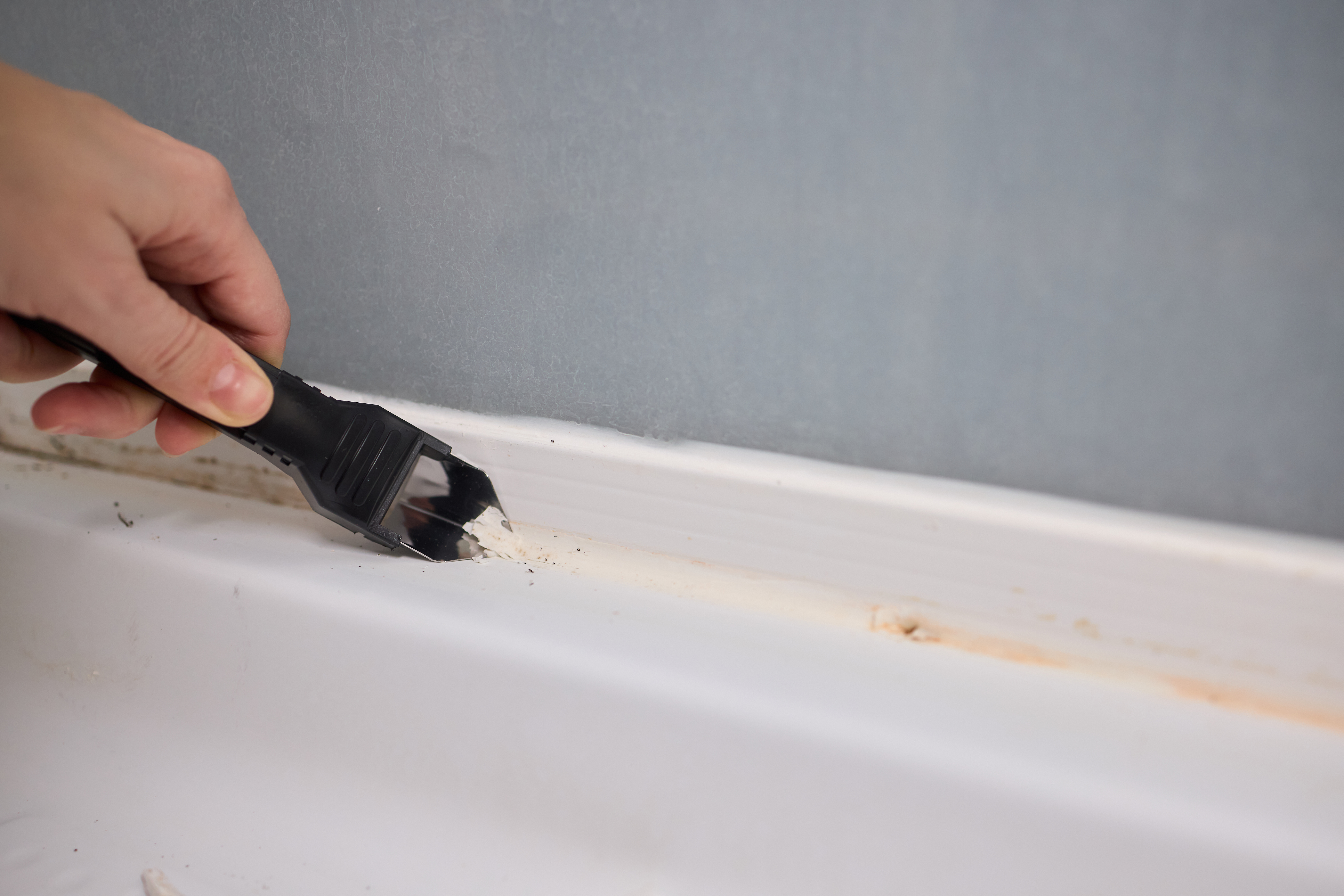
When water seepage occurs, the first reaction is often to apply a new layer of sealant over the existing joint. Before doing so, the condition of the existing sealant should be carefully evaluated.
A new layer will not always adhere properly or perform effectively when applied over damaged sealant. If deteriorated material remains within the joint area, the performance of the new application may also be compromised.
Common signs of sealant deterioration include:
The sealant has started to crack
The material has become hard and lost its flexibility
The sealant has detached from the sides of the joint
Visible gaps have formed in certain areas
The surface appears damaged or is beginning to peel
If these signs are present, the condition of the existing sealant should be assessed before reapplication is carried out.
Water Seepage May Be Coming from Another Area
When water appears around a joint, attention is often directed immediately toward the sealant in that area. However, the location where water appears is not always the same as the point where water enters.
Water can travel through hidden gaps or construction details before eventually appearing in a visibly wet area. For this reason, water seepage around frames, glass, or building joints does not necessarily originate from the sealant located nearby.
A thorough inspection of potential water entry paths is usually recommended before deciding to add or replace sealant.
FAQ
Can new sealant be applied directly over old sealant?
It depends on the condition of the existing sealant. If the material has started to crack, harden, detach from the sides of the joint, or lose adhesion, the area should be cleaned and inspected before a new application is carried out.
Why is the sealant still leaking even though it was recently installed?
Water seepage is not always related to sealant quality. Poor surface preparation, unsuitable joint conditions, incorrect sealant selection, or water entering from another area can all cause leakage even after a new application has been completed.
Can all glass leaks be fixed with sealant?
Not necessarily. Water seepage around glass installations may also be related to installation details, frame conditions, drainage systems within the frame, or water entry paths located outside the sealant joint itself.
Recurring water seepage does not always mean additional sealant is required. The condition of the joint, surface preparation, and potential water entry paths should be inspected first to accurately identify the root cause of the problem.
Batara Group offers a wide range of sealant solutions for glass, aluminum, façades, and various joint applications. If you need assistance selecting the right product for your project, the Batara Group team is ready to provide expert recommendations.
Produced by the Batara Group Editorial & Content Team