 Bahasa

2026 Rainy Season Preparation Checklist: Roofing & Waterproofing
The transition from the end of the dry season to the rainy season is a crucial window for conducting a thorough inspection of your building. Neglecting preventive maintenance during this period can lead to more extensive damage when unexpected water infiltration occurs.
Preventive maintenance is generally more cost-effective than emergency repairs after a building has already experienced severe leakage or flooding.
As the end of 2026 approaches, periods of heavy rainfall and extreme weather can put additional demands on building materials and drainage systems. This guide will help you conduct a practical inspection of critical building areas before the first major downpours arrive.
Why Inspect Your Building at the End of the Dry Season?
After months of exposure to intense sunlight and temperature changes, building materials can experience thermal expansion and contraction. Over time, this may contribute to the formation of hairline cracks in concrete surfaces, plaster, sealants, and roof joints.
When heavy rain arrives, these small cracks and gaps can become potential pathways for water infiltration, particularly when combined with inadequate drainage or deteriorated waterproofing.
The end of the dry season can also be a practical time to carry out certain waterproofing and repair work, depending on the product and site conditions. Liquid-applied materials and torch-on bitumen membranes require appropriate substrate preparation and curing or bonding conditions in accordance with the manufacturer's recommendations.
Critical Building Area Inspection Checklist
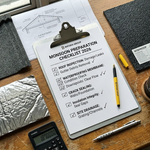
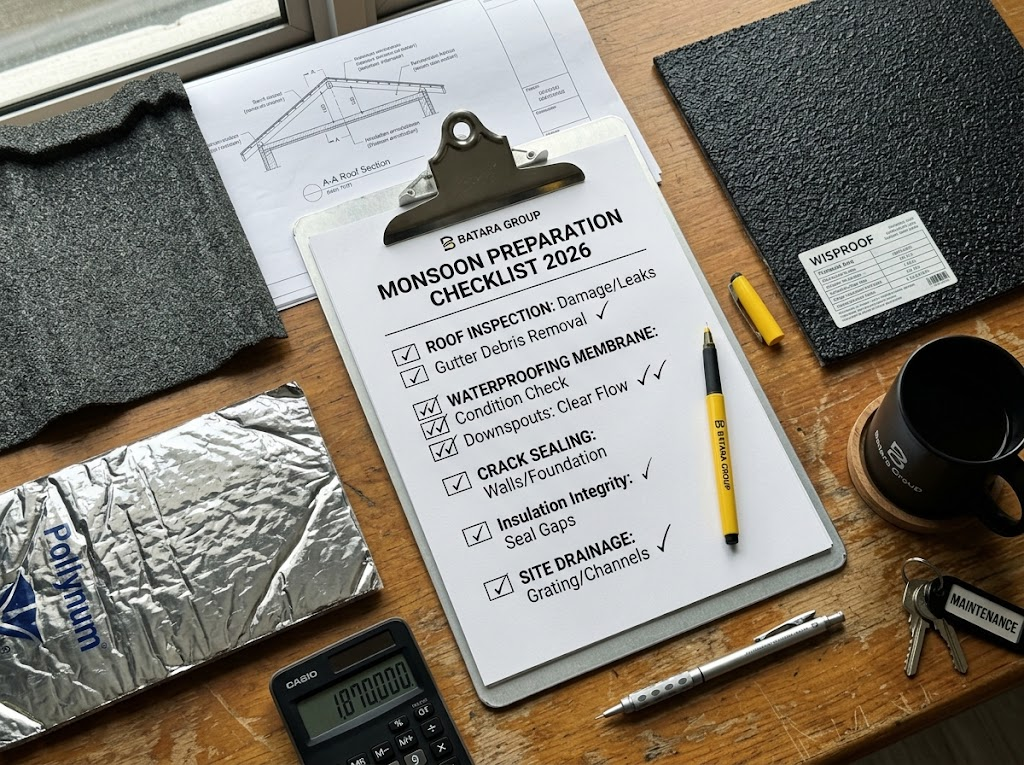
Use the following checklist to evaluate vulnerable areas of your property before the rainy season begins.
1. Roof and Roof Tiles
- Check for roof sheets or tiles that are displaced, cracked, damaged, or loosened by strong winds.
- If you use a lightweight steel roof structure, make sure the stone-coated metal roofing remains properly aligned and securely fastened. Check for loose, damaged, or corroded screws and fasteners.
- Clean the roof gutters (gutter) and remove accumulated leaves, dirt, and debris to prevent rainwater from overflowing toward the ceiling or walls.
- Explore our range of Roof Tiles for roofing solutions and material options.
2. Joints and Open Gaps
- Inspect window frames, exterior doors, roof-to-wall connections, and flashing areas for gaps or deteriorated sealant.
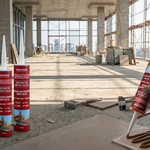
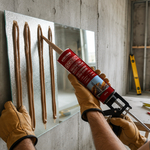
- If old sealant has hardened, become brittle, cracked, or started to peel away, remove the damaged material and reapply a suitable waterproof sealant, such as an elastic polyurethane sealant, according to the manufacturer's recommendations.
- Explore our range of Sealant products for various building applications.
3. Concrete Roof Slabs and Basements
- Pay attention to ponding water on concrete roof slabs. Prolonged standing water can increase the risk of leakage, particularly when the waterproofing or drainage system is already deteriorated. Check that the roof slope directs water effectively toward drainage outlets.
- For exposed concrete roofs and below-grade areas such as basements, a suitable waterproofing membrane can provide an additional barrier against water exposure and hydrostatic pressure when properly specified and installed.
- Explore our Waterproofing solutions for these applications.
4. Mechanical Ventilation
- High humidity can contribute to condensation and mold growth, particularly in poorly ventilated roof spaces.
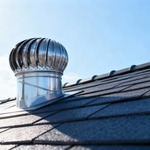
- Make sure the roof Turbine Ventilator rotates freely and operates without unusual squeaking or grinding noises. Also check whether the overall ventilation system has adequate air intake and exhaust openings.
Table of Warning Signs That Require Attention
Certain signs around a building may indicate leakage, moisture infiltration, or problems with the water-protection system. Identify the potential source of the problem before determining the appropriate repair method.
| Visible Sign | Possible Cause | Recommended Action |
|---|---|---|
| Brown Stains on the Ceiling | Leakage from roofing materials, roof tiles, flashing, or inadequately sealed joints. | Trace the source of the leakage around the roof and connections, then carry out repairs based on the condition found. |
| Bubbling or Blistering Wall Paint | Moisture or water infiltration from the wall exterior, interior, or ground-contact areas. | Identify the moisture source, repair the affected area, and apply an appropriate protective or waterproofing system. |
| Moss or Algae on Concrete Roof Slabs | Persistent moisture, ponding water, or inadequate drainage. | Clean the affected area, check the roof slope and drainage outlets, and evaluate the existing waterproofing system. If the waterproofing membrane is damaged, replace or reinstate the system according to the product specification. |
Plan Your Property Protection Today
Carrying out preventive maintenance before the rainy season can help reduce the risk of unexpected damage and costly emergency repairs.
For an additional inspection guide, learn about the key indicators in 5 Signs Your Concrete Roof Slab Needs Inspection Before the Rainy Season.
You should also be aware of the Signs That Your Waterproofing Needs to Be Renewed and explore our in-depth guide to Common Causes of Concrete Roof Slab Leaks and How to Identify Them Early.
Don't leave the protection of your property to unpredictable weather. Contact the Batara Group team to discuss and supply the building protection solutions your project needs.