 Bahasa
Construction Adhesive Keeps Coming Loose? Check These 5 Things Before Reapplying
Materials bonded with construction adhesive can sometimes come loose after a while. This can be a problem, especially when the material is heavy or installed in an area that is frequently used.
When a bonded joint fails after installation, the work may need to be redone. Before reapplying the adhesive, check the following factors to help ensure a strong and reliable bond.
1. Make Sure the Surface Is Clean Before Applying the Adhesive
Bonding performance is greatly affected by the condition of the surface being bonded. Dust, oil, dirt, old adhesive residue, and moisture can prevent the adhesive from bonding properly.
Wet surfaces also need special attention, especially in areas that have been exposed to water or are located in humid environments. These conditions can affect the performance of construction adhesive.
Before applying the product, make sure the bonding area has been properly cleaned and is ready for application.
Remove Old Adhesive Before Reapplying
Old adhesive residue should also be checked, especially when reapplying adhesive to a surface that has previously been bonded. Any adhesive that has peeled, become brittle, or is no longer bonding properly should be removed first so the new adhesive can properly bond to the surface.
2. Use an Adhesive Suitable for the Material
Wood, aluminium, ceramic, mirrors, UPVC, and other building materials require adhesives that are suitable for their specific characteristics. A construction adhesive that works well for one material may not necessarily be suitable for another.
The installation environment should also be taken into consideration. An adhesive used indoors faces different conditions from one used outdoors, where it may be exposed to heat, rain, and temperature changes.
Before using an adhesive, check the product specifications and recommended applications. Make sure the adhesive is suitable for both the material being bonded and the installation area.
3. Make Sure the Adhesive Is Applied Correctly
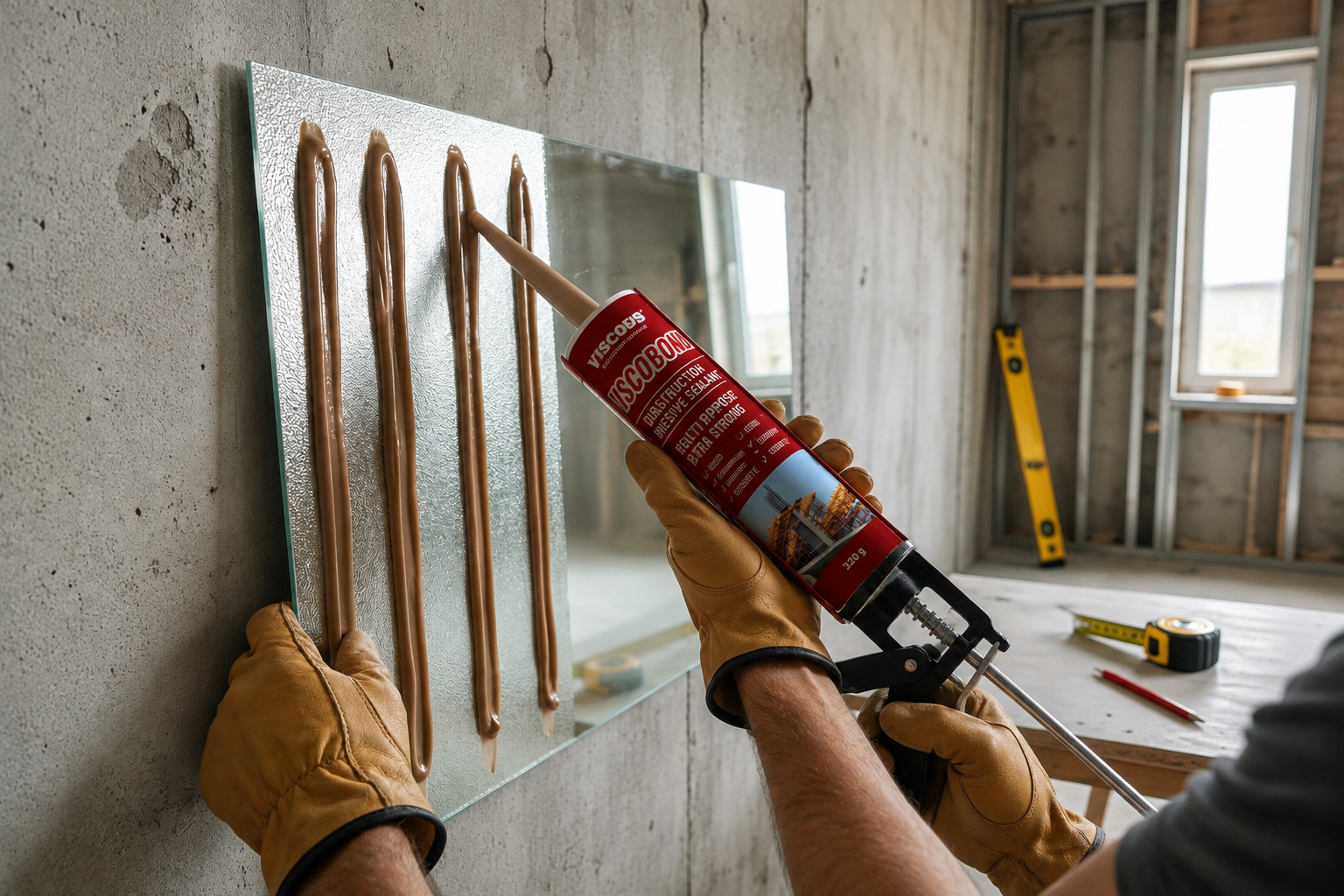
When applying construction adhesive, the amount and distribution of the adhesive are important. If the adhesive is only applied to certain areas, some parts of the surface may not receive enough adhesive to form a proper bond. On the other hand, using more adhesive does not necessarily mean the joint will be stronger.
Spread the adhesive evenly over the bonding area, then position the material as desired. Once the materials are in place, avoid moving them unnecessarily while the adhesive is curing.
Do Not Apply Load Immediately
After bonding the materials, do not immediately pull, press, or place a load on the joint. The adhesive needs sufficient time to cure and develop a proper bond.
Curing times can vary from one product to another. Always check the product instructions before using the bonded joint or placing any load on it.
4. Temperature Changes Can Affect the Bond
Materials such as glass, aluminium, wood, and concrete can expand and contract slightly when exposed to heat or changes in temperature. Even when these movements are not visible, they can still occur.
This movement also affects bonded areas. If it happens repeatedly, stress can be transferred to the adhesive, potentially causing it to crack or eventually detach from the surface.
This is especially important for outdoor installations that are regularly exposed to heat and rain.
5. Consider the Weight and Use of the Material
The load placed on a bonded joint does not only come from the weight of the material itself. Once installed, the material may also be subjected to pressure, tension, impact, or vibration during use.
Panels, shelves, accessories, and other materials can experience different types and levels of load after installation. Heavier materials or materials that are frequently subjected to pressure require a construction adhesive suitable for those conditions.
Before choosing a product, consider the weight of the material, the size of the bonding area, and how the material will be used after installation. This will help you select an adhesive that is appropriate for the requirements of the joint.
FAQ
Will using more construction adhesive make the bond stronger?
Not necessarily. The amount of adhesive should be appropriate for the application method and the product's requirements. Applying too much adhesive can increase curing time, while applying too little may leave parts of the bonding area insufficiently covered.
Should the surface be cleaned before using construction adhesive?
Yes. Dust, oil, dirt, old adhesive residue, and moisture can interfere with bonding performance. Clean the bonding area thoroughly and make sure the surface condition meets the product's application requirements.
Why does the construction adhesive look dry, but the material still comes loose easily?
A dry adhesive does not necessarily mean that the joint is performing properly. The surface condition, adhesive compatibility with the material, application method, bonding area, and load placed on the joint should also be checked.
Materials that come loose easily after installation can make a project take longer and require additional work. Choosing the right adhesive from the start can help create a stronger bond and reduce the need for reapplication.
For construction bonding applications, Viscobond can be one option to consider for a variety of installation needs. To learn more about the product and its applications, contact the Batara Group team for recommendations based on your specific requirements.
Produced by the Batara Group Editorial & Content Team