 Bahasa
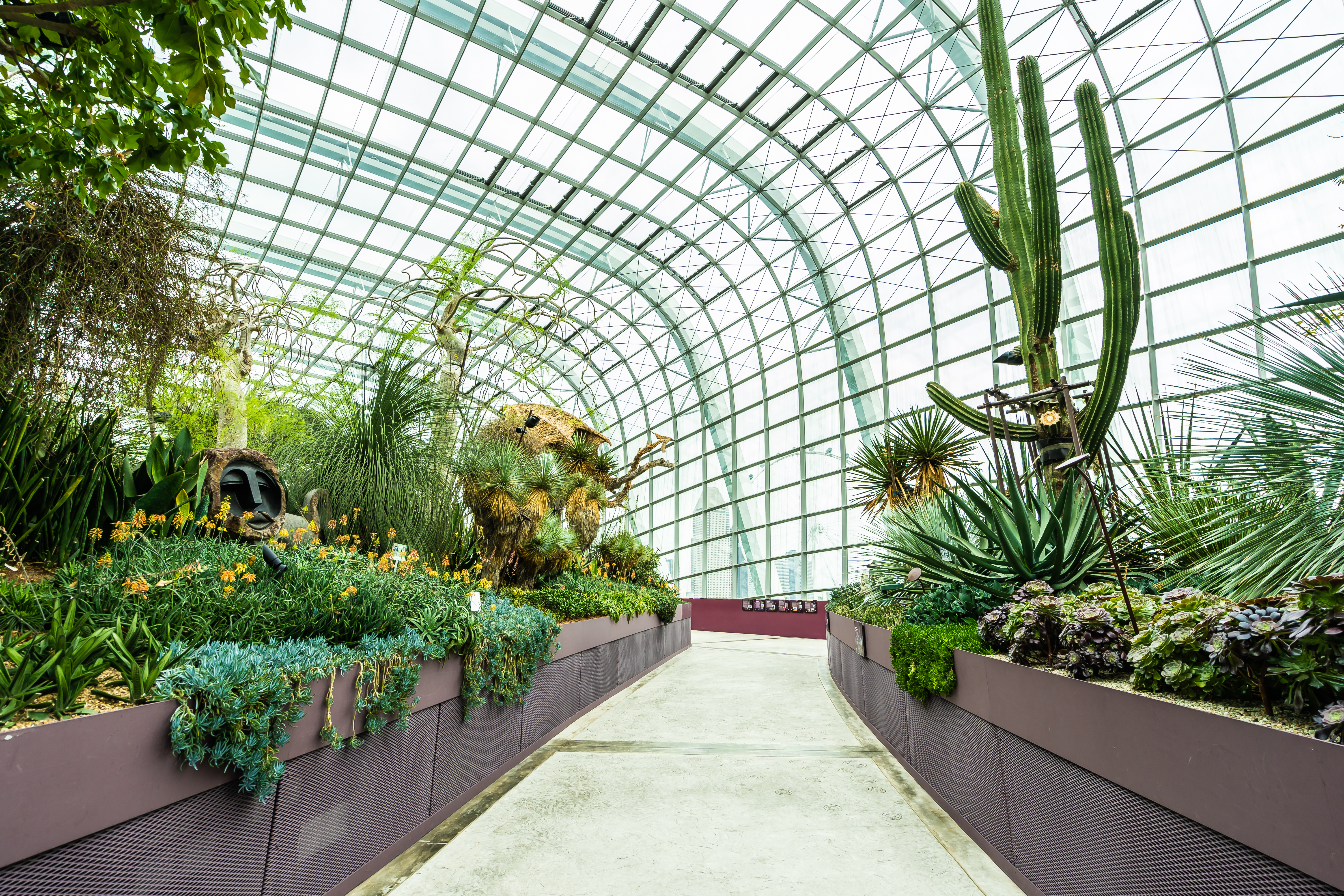
Waterproofing for Rooftop Gardens: Is Standard Concrete Roof Waterproofing Enough?
A rooftop garden is an excellent way to create additional green space, especially when ground-level land is limited. An unused concrete roof can be transformed into a relaxing outdoor area for entertaining, gardening, or simply enjoying a cooler environment.
However, before selecting plants or designing your landscape, one critical element should be addressed first: the waterproofing system.
Many people assume that standard concrete roof waterproofing is sufficient for a rooftop garden. In reality, rooftop gardens present unique challenges that require a different level of protection.
Why Rooftop Gardens Require More Than Standard Roof Waterproofing
Traditional concrete roof waterproofing is primarily designed to prevent rainwater from penetrating the building structure.
A rooftop garden, however, is exposed to much more than rainfall.
Plants require regular watering, and the growing medium retains moisture for extended periods. As a result, the concrete roof remains damp much more frequently than a conventional roof.
In addition to constant moisture, rooftop gardens introduce another major challenge: plant root growth.
As plants mature, their roots naturally expand in search of water and space. Over time, roots can exert pressure on the waterproofing layer. If the waterproofing system is not specifically designed to resist root penetration, the membrane may become damaged, eventually allowing water to reach the concrete structure beneath.
This is why rooftop gardens generally require waterproofing systems that provide protection against both water infiltration and root penetration.
What Happens If a Rooftop Garden Doesn't Use Root-Resistant Waterproofing?
Leaks in rooftop gardens rarely appear immediately after construction. Problems usually develop gradually as plants grow and their root systems become more established.
When standard waterproofing is used, expanding roots may puncture or damage the waterproofing layer.
Once the waterproofing barrier is compromised, moisture can penetrate the concrete slab, increasing the risk of water leaks into the rooms below.
Repairing this type of damage can be expensive and disruptive.
Because the waterproofing membrane is installed beneath the planting medium, repairing it typically requires removing soil, plants, hardscape elements, and portions of the rooftop garden itself before the damaged waterproofing can be accessed.
For this reason, selecting the correct waterproofing system during the initial construction stage is far more cost-effective than repairing leaks after the garden has been completed.
Why Waterproofing Membranes Are Commonly Used for Rooftop Gardens
Given the demanding conditions of rooftop gardens, waterproofing membranes are among the most commonly specified waterproofing systems.
Sheet membranes provide a durable waterproof barrier across the concrete roof slab, offering excellent long-term resistance against moisture infiltration.
However, for landscaped roofs, a standard waterproofing membrane may not be enough.
The membrane should also incorporate root-resistant technology to prevent plant roots from penetrating and damaging the waterproofing layer over time.
Torch-Applied Waterproofing Membranes for Rooftop Gardens
Not all waterproofing systems are engineered to withstand aggressive root growth.
Many rooftop garden projects use root-resistant torch-applied waterproofing membranes, which are specifically designed to protect both the waterproofing layer and the concrete structure beneath.
For these applications, Batara Group offers Casali Eradix, a premium torch-applied bituminous waterproofing membrane developed specifically for rooftop gardens.
In addition to its high-performance bituminous waterproofing layer, Casali Eradix incorporates Preventol® B2 technology by Bayer, an advanced root-resistant treatment that helps inhibit root penetration without compromising waterproofing performance.
By combining excellent water resistance with long-term root protection, Casali Eradix is well suited for applications such as:
- Rooftop gardens
- Roof gardens
- Planter boxes
- Landscaped concrete roofs
- Elevated green spaces
Frequently Asked Questions (FAQ)
What is waterproofing for rooftop gardens?
Rooftop garden waterproofing is a protective waterproof layer installed over a concrete roof slab before soil and landscaping materials are added. Its purpose is to prevent water infiltration while protecting the structure from constant moisture and plant root penetration.
Can standard waterproof coatings be used for rooftop gardens?
Not always. Conventional waterproofing products are typically designed to resist water only. Rooftop gardens also require protection against root penetration, making root-resistant waterproofing systems the preferred solution for long-term performance.
Why can plant roots damage waterproofing?
Plant roots naturally grow toward available moisture and open spaces. If the waterproofing system is not engineered to resist root penetration, roots may damage the waterproof layer, allowing water to reach the concrete structure.
Is root-resistant waterproofing necessary for rooftop gardens?
Yes. Rooftop gardens with active root systems should use waterproofing specifically designed to resist root penetration. Products incorporating technologies such as Preventol® B2, used in Casali Eradix, help protect both the waterproofing membrane and the underlying concrete from long-term root damage.
When should waterproofing be installed?
Waterproofing should always be completed before soil, planting media, drainage layers, and landscaping elements are installed. This ensures the entire roof slab is fully protected before it is subjected to moisture and structural loads.
Protect Your Rooftop Garden with the Right Waterproofing System
Designing a rooftop garden involves much more than selecting plants and creating an attractive landscape. The waterproofing system is one of the most critical components of the entire installation, protecting the building against both water infiltration and root damage for years to come.
Choosing a waterproofing membrane specifically designed for rooftop gardens helps minimize future maintenance, reduce repair costs, and extend the service life of the roof structure.
If you're planning a rooftop garden project and need guidance on selecting the most suitable waterproofing system, Batara Group is ready to help. Our experts can recommend the ideal waterproofing solution based on your project's specific requirements, ensuring reliable, long-lasting protection from the very beginning.