 Bahasa
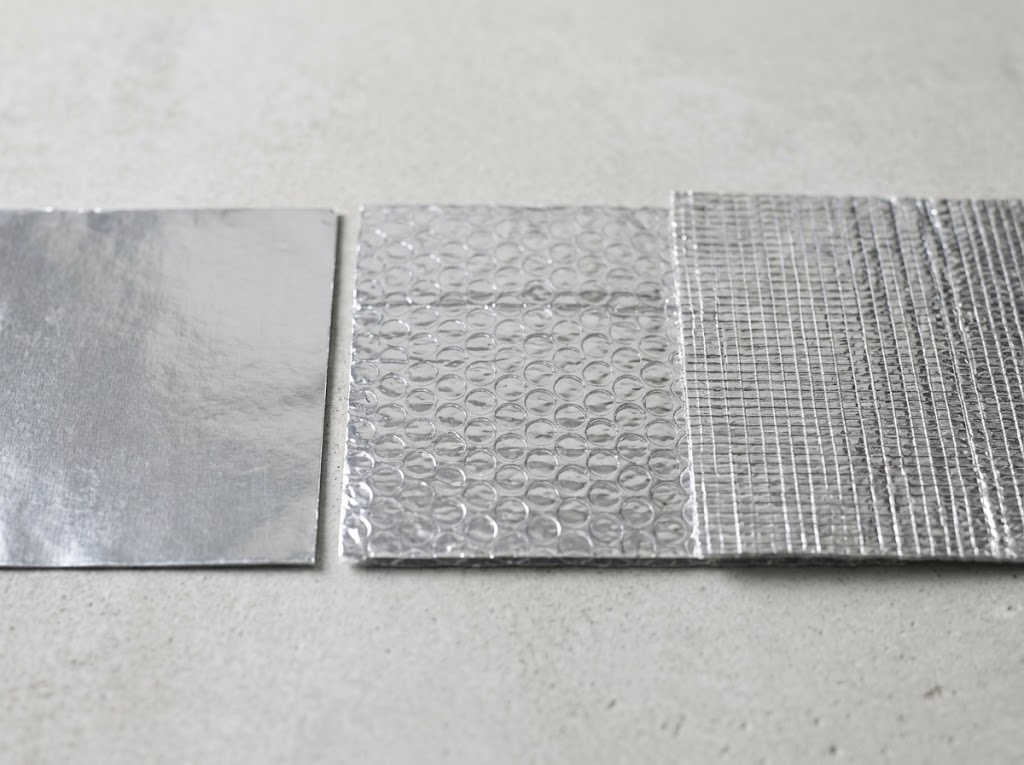
Understanding the Different Types of Aluminum Foil for Roof Insulation
Aluminum foil for roof insulation is available in several types, each designed to meet different building requirements, from residential homes to large-scale warehouses. Understanding the characteristics of each type can help you choose the most suitable option before moving on to the aluminum foil roof installation process.
Single-Sided Aluminum Foil
Single-sided aluminum foil features a reflective layer on only one side, while the other side is typically made of kraft paper or another supporting material. This type of aluminum foil is generally used for buildings with basic insulation requirements, particularly where radiant heat mainly comes from one primary direction.
Double-Sided Aluminum Foil
Unlike single-sided aluminum foil, double-sided aluminum foil features a reflective layer on both surfaces. This structure allows heat radiation to be reflected from both directions, making it a suitable choice for buildings that require more comprehensive insulation, particularly areas exposed to high levels of heat from multiple directions.
Aluminum Foil with Bubble Insulation
In addition to standard aluminum foil, there are also variants that feature an air bubble layer between the aluminum sheets. This air layer provides an additional barrier against heat transfer. Since air is a poor conductor of heat, the bubble layer helps slow down the transfer of heat into the building.
Single-Layer Bubble Aluminum Foil
This variant features a single layer of air bubbles positioned between two layers of aluminum foil. Its relatively thin construction makes it easy to handle and install while still providing better heat resistance than standard aluminum foil without an air layer.
Double-Layer Bubble Aluminum Foil
As the name suggests, double-layer bubble aluminum foil features two layers of air bubbles arranged in multiple layers. This layered structure is generally selected for areas with higher heat exposure, such as roofs with low slopes that receive direct sunlight for extended periods.
Factors to Consider When Choosing Aluminum Foil
Several factors should be considered when selecting the right type of aluminum foil for roof insulation, including:
- Roof area
- Type of roofing material
- Level of solar heat exposure
- Building requirements
- Available budget
- Required insulation performance
The larger the roof area and the higher the level of heat exposure, the more important it becomes to choose an aluminum foil product with suitable insulation performance.
The thickness of the aluminum layer, measured in microns, can also affect the material's resistance to corrosion and tearing during installation and long-term use. Thicker aluminum layers generally offer greater durability, although they typically come at a higher cost.
Choosing the Right Aluminum Foil for Your Building
Residential buildings with relatively small roof areas can generally benefit from single-sided aluminum foil or single-layer bubble foil. Meanwhile, buildings with large roofs and high levels of solar heat exposure may be better suited to double-sided aluminum foil or double-layer bubble foil for more effective insulation performance.
For more information about aluminum foil-based roof insulation specifications, visit the Polyshield roof insulation product page.
By understanding the characteristics and applications of each type of aluminum foil, you can make a more informed decision based on your building's specific conditions. Choosing the right roof insulation material can help optimize thermal insulation performance and provide better indoor comfort over the long term.