 Bahasa
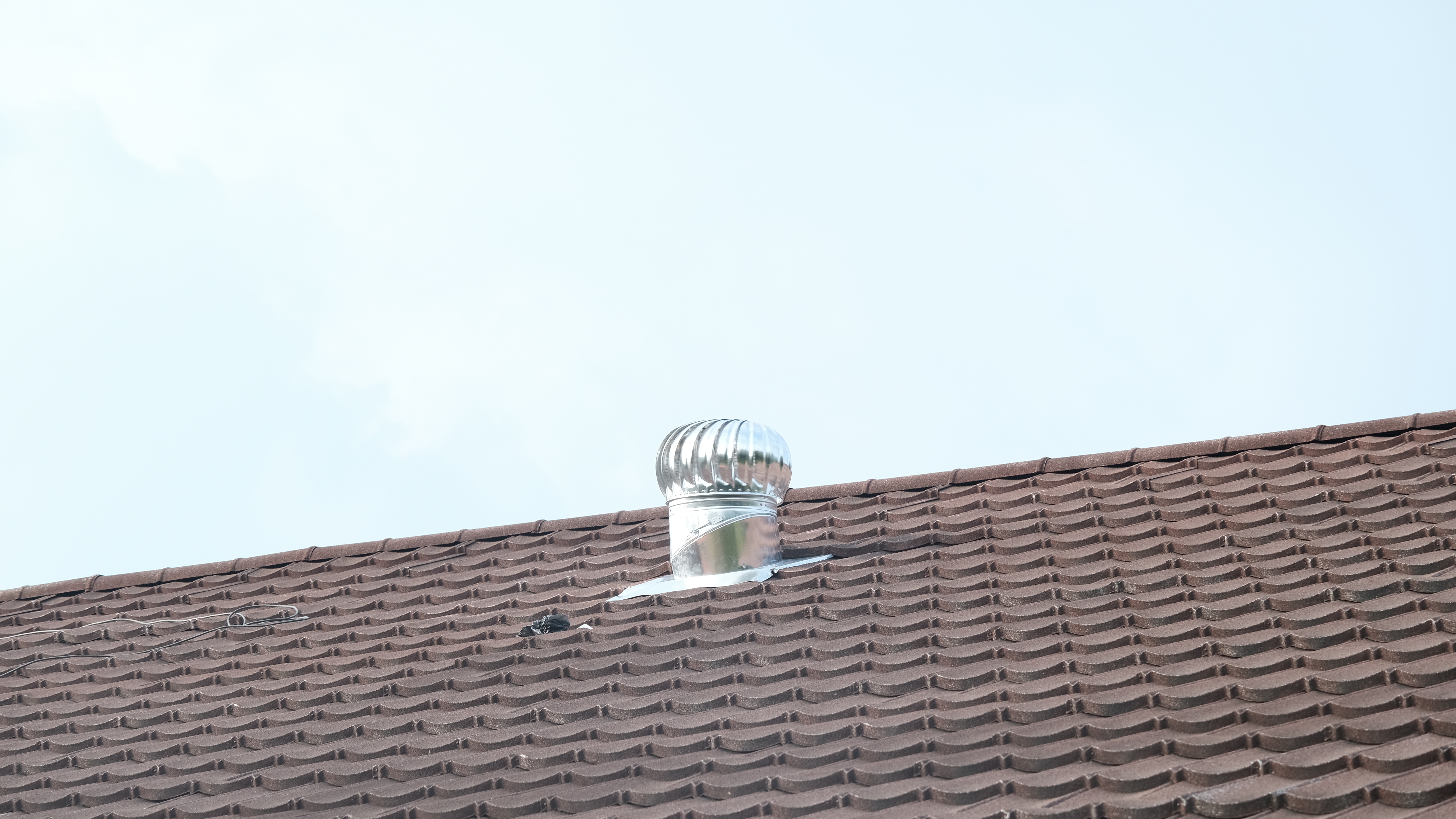
Is Your Room Always Hot? Discover How Roof Turbine Ventilators Improve Natural Ventilation
Have you ever noticed that a room still feels hot even after opening all the windows? The problem isn't always the outdoor temperature. In many buildings, hot air becomes trapped beneath the roof because there is no effective path for it to escape.
This issue is common in warehouses, factories, retail buildings, and even residential homes with inadequate roof ventilation. As hot air accumulates, indoor spaces become stuffier, humidity levels increase, and air conditioning systems have to work harder, leading to higher energy consumption.
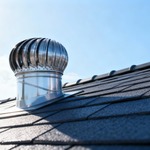
To address this problem, many property owners install a roof turbine ventilator as part of their building's natural ventilation system. This simple yet effective solution helps remove trapped hot air, improving indoor comfort without consuming electricity.
Why Does Hot Air Build Up Beneath the Roof?
During the day, the roof absorbs the highest amount of solar heat compared to any other part of the building.
As the roofing material heats up, that heat radiates into the roof cavity. Without adequate ventilation, warm air gradually accumulates beneath the roof.
Since hot air naturally rises, it collects at the highest point of the building. Without an escape route, it remains trapped, causing indoor temperatures to rise—especially during the afternoon when solar heat is at its peak.
This is exactly why many residential, commercial, and industrial buildings install roof turbine ventilators to promote continuous natural airflow.
How Does a Roof Turbine Ventilator Work?
Unlike an exhaust fan, which relies on an electric motor, a roof turbine ventilator operates using natural wind energy and differences in air pressure.
As wind turns the turbine blades, the spinning motion creates negative pressure inside the ventilator.
This pressure difference naturally pulls:
- Hot air
- Humid air
- Stale indoor air
upward and out through the roof.
Because the system operates entirely through natural airflow, a turbine ventilator provides continuous ventilation without using electricity.
Installed at the highest point of the roof, it is also commonly referred to as a roof ventilator.
Benefits of Installing a Roof Turbine Ventilator
Creates a More Comfortable Indoor Temperature
When hot air is allowed to escape from beneath the roof, indoor temperatures become noticeably more comfortable, particularly during hot weather.
Improves Natural Air Circulation
Better airflow promotes continuous air exchange inside the building, making indoor spaces feel fresher while reducing stuffiness.
Helps Control Humidity
Excess humidity trapped inside a building can encourage mold growth and accelerate the deterioration of certain construction materials.
Continuous natural ventilation helps maintain healthier humidity levels.
Reduces Energy Consumption
One of the greatest advantages of a roof turbine ventilator is that it operates without electricity.
Improved ventilation can also reduce the workload of air conditioning systems, potentially lowering energy costs.
Enhances Occupant Comfort
Whether in homes, offices, warehouses, or commercial buildings, improved ventilation contributes to a healthier and more comfortable indoor environment.
Roof Turbine Ventilators Aren't Just for Warehouses
Many people believe turbine ventilators are only suitable for factories or warehouses.
In reality, they are widely installed in many different types of buildings where natural roof ventilation is needed.
Common applications include:
- Residential homes
- Warehouses
- Factories
- Retail shops
- Commercial buildings
- Restaurants and commercial kitchens
- Sports facilities
For residential properties, roof turbine ventilators help remove heat trapped beneath the roof, making indoor living spaces more comfortable throughout the day.
When the number and placement of ventilators are properly designed, they become an effective part of the home's natural ventilation system.
Are Roof Turbine Ventilators Safe During Rain?
One of the most common concerns is whether rainwater can enter the building through the turbine.
With high-quality products, this is generally not an issue.
Modern turbine ventilators feature specially engineered blade designs that help deflect rainwater while maintaining continuous airflow.
However, professional installation remains essential.
Proper flashing, sealing, and roof detailing ensure effective ventilation while minimizing the risk of roof leaks.
Types of Roof Turbine Ventilators by Material
Roof turbine ventilators are available in various sizes and materials.
Choosing the right material depends on the building environment and expected operating conditions.
Aluminum Roof Turbine Ventilators
Aluminum is one of the most popular materials because it offers:
- Lightweight construction
- Excellent corrosion resistance
- Long service life
It is commonly used for residential homes and commercial buildings.
Stainless Steel Roof Turbine Ventilators
For environments with high humidity or corrosive conditions, stainless steel is often the preferred choice.
Its superior resistance to rust makes it suitable for:
- Industrial buildings
- Manufacturing facilities
- Food processing plants
- Coastal environments
How to Choose the Right Roof Turbine Ventilator
Selecting a turbine ventilator involves more than simply choosing the right size.
Several factors influence long-term ventilation performance.
Select the Proper Size
The ventilator should match the building's roof area and ventilation requirements to ensure effective airflow.
Choose the Appropriate Material
Select aluminum or stainless steel depending on environmental conditions and corrosion exposure.
Check Bearing Quality
Bearings determine how smoothly the turbine rotates.
High-quality bearings provide:
- Stable performance
- Longer lifespan
- Lower maintenance requirements
Ensure Professional Installation
Proper installation is critical.
Correct flashing and roof sealing maximize ventilation efficiency while helping prevent water leakage.
Why Choose Ozvent Roof Turbine Ventilators?
Long-term ventilation performance depends not only on installation but also on product quality.
Durable materials, precision engineering, and smooth turbine operation all contribute to better natural airflow.
Ozvent, offered by Batara Group, is designed to improve natural roof ventilation without using electricity.
Available in multiple sizes, Ozvent is suitable for:
- Residential homes
- Warehouses
- Retail buildings
- Commercial facilities
- Industrial plants
Its high-quality construction helps improve natural airflow while reducing heat accumulation beneath the roof.
Common Mistakes When Installing Roof Turbine Ventilators
Although roof turbine ventilators are relatively simple devices, installation quality has a significant impact on their effectiveness.
Some of the most common installation mistakes include:
- Choosing a ventilator that is too small for the building.
- Installing too few ventilators to achieve adequate airflow.
- Poor flashing installation, increasing the risk of roof leaks.
- Selecting materials unsuitable for the building environment.
- Installing the ventilator in an ineffective roof location that limits airflow.
Frequently Asked Questions (FAQ)
Does a roof turbine ventilator use electricity?
No. Roof turbine ventilators operate using natural wind and air pressure differences, requiring no electricity.
Are roof turbine ventilators suitable for homes?
Yes. Roof turbine ventilators are increasingly used in residential homes to reduce heat buildup beneath the roof while improving natural ventilation.
Can rainwater enter through a turbine ventilator?
With high-quality products and proper installation, rainwater generally does not enter the building because the turbine is specifically designed to deflect rainfall.
What is the difference between a roof turbine ventilator and an exhaust fan?
A roof turbine ventilator uses natural wind to remove hot air without electricity, while an exhaust fan relies on an electric motor to mechanically extract air from specific rooms.
How many roof turbine ventilators does a building need?
The required number depends on several factors, including:
- Roof area
- Building height
- Indoor activities
- Ventilation requirements
For optimal performance, sizing should be calculated according to each building's specific conditions.
Improve Indoor Comfort with Natural Roof Ventilation
Heat trapped beneath the roof is often overlooked, yet it can significantly affect indoor comfort, humidity levels, and overall energy efficiency.
Installing a roof turbine ventilator is an effective way to improve natural ventilation without increasing electricity consumption.
For the best results, choose a high-quality product and ensure it is professionally installed.
If you're looking for reliable roof ventilation solutions, Ozvent by Batara Group offers premium turbine ventilators designed to improve natural airflow in residential, commercial, and industrial building