 Bahasa
.jpg "Rumah Menghadap Barat Lebih Panas? Ini Penyebab dan Solusinya")
Is a West-Facing House Hotter? Here's Why and How to Reduce the Heat
A west-facing house often feels hotter in the late afternoon, especially when direct sunlight strikes the front of the building. Certain rooms may feel noticeably warmer because heat from outside enters and remains trapped inside the house.
Areas such as the roof, walls, and windows receive the most direct sunlight exposure. When these surfaces absorb solar radiation for extended periods, indoor temperatures can rise significantly.
The transfer of heat from outside to inside is influenced by several parts of the building as well as the characteristics of the materials used.
Parts of the House That Allow Heat to Enter
Heat from outside does not enter directly through the air. Instead, it is transferred through building components that receive direct sunlight exposure. Areas such as the roof, walls, and windows play a major role in determining how much heat enters the home.
The roof is one of the building elements that receives the greatest amount of solar radiation because it is exposed to sunlight throughout the day. As the roof surface absorbs heat, the temperature beneath it can increase, making indoor spaces feel warmer and less comfortable.
In addition to the roof, walls and windows that face direct sunlight can also transfer heat into the house. The extent of this heat transfer depends on the materials used and any additional protective systems in place.
The Roof Is the Largest Source of Heat Gain in a House
The roof is the part of a building most frequently exposed to direct sunlight. This exposure continues for most of the day, allowing heat to accumulate on the roof surface.
In homes without additional thermal protection, heat from the roof area can make rooms below feel noticeably warmer, especially during hot weather.
Many homeowners notice that upper-floor rooms often feel warmer than ground-floor areas from midday through the late afternoon.
Heat from the Roof Does Not Always Stop at the Ceiling
A ceiling does help separate interior living spaces from the roof cavity. However, heat generated by the roof does not automatically stop at the ceiling layer.
After hours of direct sun exposure, temperatures within the roof space can rise significantly and contribute to warmer indoor conditions.
To help reduce heat transfer, some buildings incorporate additional insulation layers within the roofing system, depending on the building requirements and site conditions.
Solutions to Reduce Heat Inside the House
Several measures can help maintain a more comfortable indoor temperature, particularly in homes that receive direct sunlight exposure every day.
Add an Insulation Layer to the Roofing System
Insulation acts as an additional barrier that helps reduce heat transfer from the roof area into the building. It is commonly used in residential homes, commercial buildings, and warehouses where improved temperature control is required.
One of the most widely used materials is reflective aluminium foil insulation. This material is designed to reflect a portion of radiant heat, helping reduce the amount of heat that reaches the space beneath the roof.
Improve Indoor Air Circulation
Good air circulation helps maintain continuous air exchange inside a building. Moving air generally makes a room feel more comfortable than a space with limited ventilation.
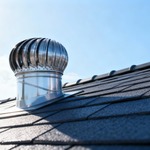
In some homes, adding ventilation openings or improving airflow pathways can help reduce heat buildup, especially during the hottest hours of the day.
Reduce Direct Sunlight Exposure on Walls and Windows
Besides the roof, walls and windows also contribute to indoor heat gain. Daily exposure to direct sunlight can make certain areas of the house feel significantly warmer than others.
Canopies, sunshades, external screens, and landscaping elements such as shade trees are commonly used to help reduce the intensity of sunlight reaching building surfaces.
Roof Aluminium Foil to Help Reduce Heat
One of the materials frequently used in roofing systems is reflective aluminium foil insulation. This material is installed as an additional layer to help reduce heat generated by solar radiation.
The reflective surface of aluminium foil is designed to redirect a portion of radiant heat, helping reduce the amount of heat that reaches the area beneath the roof. It is widely used in residential homes, commercial buildings, and warehouses.
The type of aluminium foil selected should be matched to the building requirements, roof system, and installation method to achieve the best possible results.
Batara Group provides a range of heat insulation solutions, including Polyshield, which can be used for various building applications.
FAQ
Is a west-facing house always hotter?
Not necessarily. While the orientation of a house affects the amount of sunlight it receives, indoor temperature is also influenced by the roof system, building materials, ventilation, and heat protection measures.
How can I make my house cooler without major renovations?
Several practical steps can help, including improving air circulation, installing blinds or external shading for windows, and adding insulation to the roof area.
Is roof aluminium foil effective at reducing heat?
Yes. Reflective aluminium foil helps reflect a portion of solar radiant heat, reducing the amount of heat that enters the building through the roof.
A west-facing house is naturally exposed to more afternoon sunlight. However, the impact can vary from one building to another depending on the condition of the roof, walls, windows, and the protective systems used.
Inspecting these areas can help identify the primary sources of heat gain that affect indoor comfort.
If you need information about roof heat insulation materials or other building solutions, the Batara Group team is ready to assist with recommendations based on your project requirements.
Produced by the Batara Group Editorial & Content Team