How to Maintain Waterproofing Layers for Long-Lasting Performance
Even a properly installed waterproofing system requires regular maintenance to maintain its expected service life and performance. Without proper care, a waterproofing layer can deteriorate faster than expected, even when high-quality materials have been used.
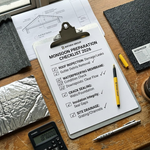
Routine inspections and preventive maintenance can help identify minor issues before they develop into more serious waterproofing problems.
Clean the Surface Regularly
Dust, leaves, and other debris that accumulate on a concrete roof slab can trap water for longer periods and encourage the growth of moss or mold.
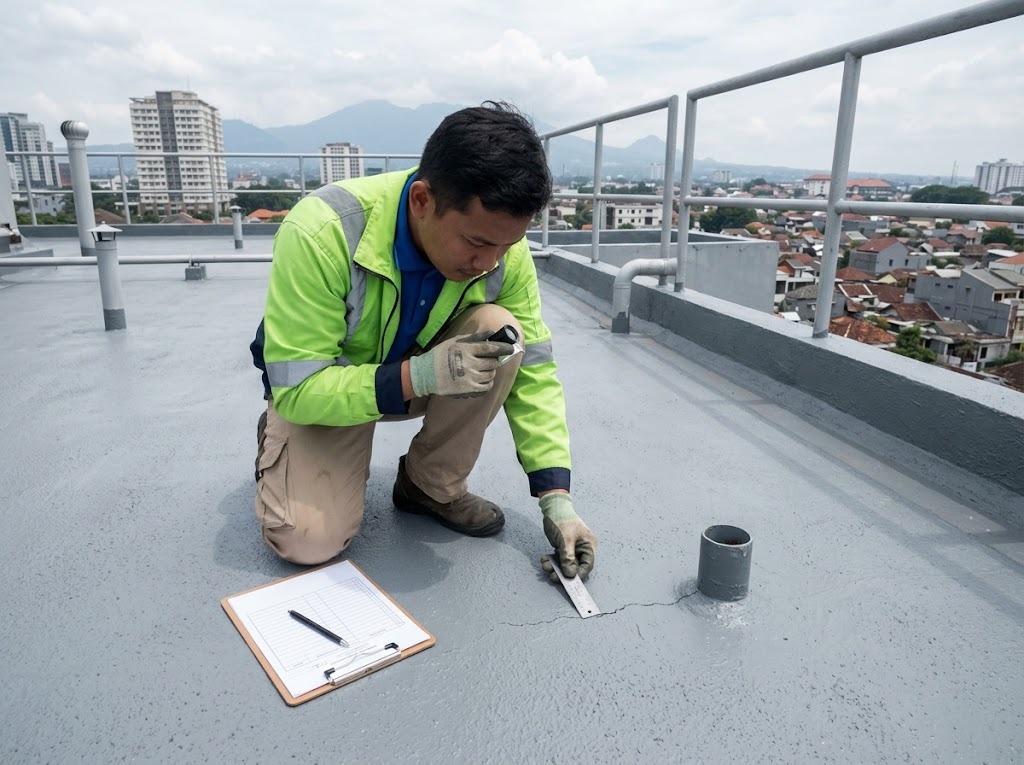
Regularly cleaning the surface helps keep the waterproofing layer in good condition while also making it easier to identify early signs of damage, such as cracks, peeling, blisters, or other surface defects.
Avoid Heavy Loads and Sharp Objects
Storing heavy items or placing objects with sharp edges directly on a waterproofed surface can scratch, puncture, or put excessive pressure on the protective layer.
Unless the roof slab has been specifically designed to accommodate additional loads, it is best to avoid using the area as long-term storage space. Proper protection should also be provided when maintenance or construction work is carried out above the waterproofing layer.
Check for Standing Water
Regularly checking for standing water can help determine whether the roof drainage system is functioning properly.
Persistent ponding in the same area may indicate an issue with the roof slope or drainage system. These conditions should be evaluated and corrected where necessary to prevent prolonged water exposure and excessive stress on the waterproofing layer.
A controlled water test may be conducted for a minimum of 24 hours, subject to the specifications of the waterproofing system and applicable project requirements. Ideally, inspections and testing should be scheduled before the transition into the rainy season, when weather conditions begin to change.
Repair Minor Cracks as Early as Possible
Small cracks or defects in the waterproofing layer should be addressed as soon as they are identified. Leaving minor damage untreated can allow water to penetrate further and potentially develop into larger waterproofing failures.
The choice of waterproofing material from the beginning can also influence long-term maintenance requirements. Products such as Casali Membrane Viscogum can be considered for concrete roof slab waterproofing applications. Materials with good flexibility and elasticity can better accommodate certain movements in concrete structures caused by temperature changes.
Why Regular Waterproofing Maintenance Matters
Consistent waterproofing maintenance can help extend the service life of the protective layer and maintain its ability to prevent water infiltration.
By cleaning the surface, avoiding excessive loads, monitoring standing water, conducting periodic inspections, and repairing minor damage early, building owners can reduce the risk of leaks and more extensive waterproofing repairs in the future.
A well-maintained waterproofing system not only protects the concrete roof slab from water damage but can also contribute to the long-term durability and performance of the building.


 Bahasa