 Bahasa
How to Install Aluminum Foil on a Roof for Maximum Insulation
Installing aluminum foil on a roof may seem like a simple task, but the installation method plays an important role in determining how effectively the insulation performs. As explained in the article [Aluminum Foil for Roofing: Functions, How It Works, and When to Use It], this material works by reflecting solar heat radiation before it penetrates into the building. However, its benefits can only be maximized when the foil is installed using the proper technique and sequence.
Why Installation Technique Matters for Insulation Performance
The basic principle behind aluminum foil insulation is to reflect heat rather than absorb it. Therefore, the reflective, shiny side should face the heat source, which generally means facing upward toward the roof covering. If the foil is installed incorrectly, its ability to reflect radiant heat may be significantly reduced, even if the material itself is suitable for the application.
Gaps and poorly sealed joints can also become weak points in the insulation system. Hot air and radiant heat can penetrate through improperly overlapped sheets, allowing some heat to enter the space beneath the roof even when most of the roof area has already been covered with aluminum foil.
Preparing Before Installing Aluminum Foil
Inspecting the Roof Structure
Before installation, inspect the condition of the roof structure, whether it is made of lightweight steel framing, wood, or concrete. A properly aligned and symmetrical roof structure makes it easier to install the aluminum foil accurately, minimize gaps, and achieve a cleaner overall finish.
Preparing the Necessary Tools and Materials
Common tools and supporting materials include a staple gun or binding wire, scissors or a utility knife, measuring tape, and heat-resistant adhesive tape for sealing the joints between foil sheets.
Preparing all tools and materials before starting the installation can make the process more efficient and reduce the risk of mistakes during installation.
Step-by-Step Guide to Installing Aluminum Foil on a Roof
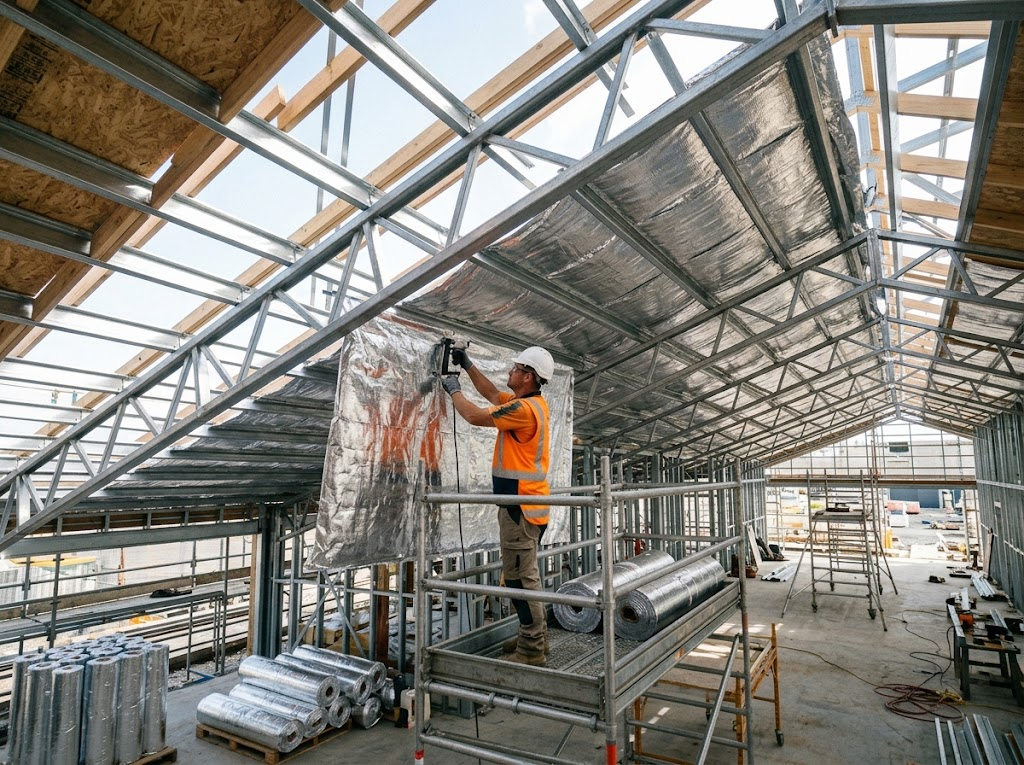
The installation process generally starts from one side of the roof structure and gradually moves toward the other side. The aluminum foil should be laid along the roof slope with the reflective side facing outward toward the roof covering.
Each sheet should overlap the adjacent sheet by approximately 10–15 cm along the edges. This overlap helps prevent open gaps between the sheets and improves the overall continuity of the insulation layer.
Once the foil is properly positioned, secure it to the roof structure using staples or binding wire at appropriate intervals. This helps prevent the material from sagging, shifting, or tearing due to wind movement.
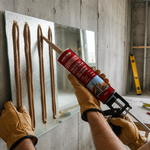
Next, seal the joints between the foil sheets using heat-resistant adhesive tape or suitable sealing material. Properly sealing the joints is important to minimize gaps and maintain the continuity of the insulation layer.
As the final step, inspect the entire surface to ensure that it is fully covered without tears, holes, or open gaps. Pay particular attention to corners and areas where different roof sections meet. These areas can be more difficult to reach but are equally important for achieving effective roof insulation.
Common Mistakes to Avoid When Installing Aluminum Foil
Several common installation mistakes can reduce the performance of aluminum foil roof insulation. These include:
- Installing the foil with the reflective side facing the wrong direction.
- Using insufficient overlap between adjacent foil sheets.
- Leaving gaps or poorly sealed joints between sheets.
- Fastening the foil too tightly, which can cause the material to tear.
- Failing to inspect corners and roof intersections properly.
Although these mistakes may seem minor, they can directly affect the insulation performance and durability of the roof system over time.
When Should You Inspect the Roof Insulation?
Regular inspections are recommended, particularly after the rainy season or periods of strong wind. These conditions can potentially shift the foil sheets, loosen fasteners, or damage previously sealed joints.
For more information about roof insulation material specifications, you can learn more about Polyshield roof insulation through the product page.
By understanding the correct aluminum foil roof installation technique, you can help the material perform according to its intended function and maximize its ability to reduce heat transfer. Proper installation can also help maintain the insulation system's performance and provide long-term thermal comfort for the building.