 Bahasa

Concrete Surface Preparation Before Waterproofing Application
The performance of a waterproofing system depends heavily on the condition of the concrete surface before the protective layer is applied. Inadequate surface preparation can result in poor adhesion, even when a high-quality waterproofing product is used, as discussed in the article Concrete Roof Slab Waterproofing: A Technical Guide to Preventing Leaks.
Proper surface preparation helps ensure that the waterproofing material bonds effectively to the concrete and performs as intended over the long term.
Remove Dust, Dirt, and Contaminants
The first step is to thoroughly clean the concrete surface and remove dust, loose sand, oil, grease, and other construction residues.
Contaminants left on the surface can interfere with the adhesion between the waterproofing material and concrete. As a result, the waterproofing layer may become more susceptible to peeling, lifting, or premature failure.
Repair Cracks and Surface Defects
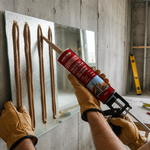
Hairline cracks, holes, and other surface imperfections should be repaired using an appropriate repair material before the waterproofing system is applied.
Skipping this step can allow existing cracks to reappear or continue developing beneath the waterproofing layer, potentially compromising the protective system over time.
The repair material and method should be selected according to the size, depth, and cause of the concrete defect.
Ensure the Surface Is Dry
Excessive moisture on the concrete surface can interfere with the curing, drying, and adhesion of certain waterproofing materials.
The surface should therefore meet the moisture requirements specified by the waterproofing manufacturer before application. This is particularly important after rainfall or when the surface has been cleaned using water.
Some waterproofing systems may allow application to damp substrates, but this depends entirely on the product specifications and installation requirements.
Evaluate the Surface Slope and Drainage System
Before applying waterproofing, the surface slope and drainage system should also be evaluated.
A completely flat surface without adequate drainage can allow standing water to remain for extended periods. Persistent ponding can place additional stress on the waterproofing layer and potentially reduce its long-term performance.
Improving drainage and correcting unsuitable slopes should therefore be considered before the waterproofing application whenever necessary.
Determine Whether a Primer Is Required
Depending on the type of waterproofing material, a primer may be required before applying the main waterproofing layer.
Primer can help improve adhesion between the concrete substrate and the waterproofing system, whether using a coating or membrane system such as Casali Membrane Viscogum.
The type of primer, application method, and drying time should follow the waterproofing manufacturer's technical recommendations.
Why Proper Surface Preparation Matters
Thorough concrete surface preparation is an essential part of a successful waterproofing installation. Cleaning contaminants, repairing surface defects, ensuring suitable moisture conditions, checking drainage, and applying primer when required can all contribute to better adhesion and long-term performance.
By preparing the concrete surface correctly before waterproofing, the protective layer can bond more effectively and provide more reliable, long-lasting protection against water seepage, leakage, and moisture-related damage.