 Bahasa

Basement Waterproofing Challenges and How to Overcome Them
Basement waterproofing is more complex than waterproofing other areas of a building, such as concrete roof slabs or bathrooms. Being located below ground level creates unique challenges that need to be considered before selecting the right waterproofing approach.
Groundwater Pressure from All Directions
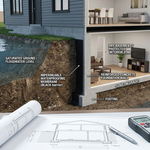
Unlike concrete roof slabs, which are primarily exposed to water from above in the form of rain, basement walls and floors are exposed to groundwater pressure from surrounding soil.
This pressure can act continuously against the structure, particularly during the rainy season when groundwater levels may rise. If the waterproofing system is inadequate, water can find its way through concrete cracks, joints, or other vulnerable points.
Persistent Moisture Is Difficult to Avoid
Because basements are located below ground level, they naturally tend to have higher humidity levels than rooms above ground.
This means that waterproofing materials used in basements need to withstand continuous exposure to moisture, rather than simply protecting the structure from occasional rainwater.
Proper drainage and moisture management should also be considered alongside the waterproofing system to help control the overall moisture conditions around the basement.
Limited Access for Future Repairs
One of the biggest challenges of basement waterproofing is the limited accessibility for repairs after construction is complete. This is particularly true for sections of the structure that become covered by surrounding soil or other building elements.
For this reason, careful waterproofing planning during the construction stage is especially important for basements. Identifying potential leakage points and installing the waterproofing system correctly from the beginning can help reduce the need for difficult and costly repairs later.
Common Waterproofing Approach for Basements
Basement waterproofing is commonly applied to the exterior side of basement walls, where the waterproofing layer is in direct contact with the surrounding soil. The system is typically installed before the soil is backfilled around the structure.
This approach is intended to prevent water from reaching and penetrating the concrete structure in the first place. It differs from applications such as concrete roof slabs, where waterproofing can generally be applied directly to the exposed surface, as discussed in the article Building Waterproofing: Functions, Types, and How to Choose the Right Solution.
Planning Basement Waterproofing from the Start
Because basement structures are continuously exposed to groundwater and are difficult to access once construction is complete, waterproofing should be treated as an integral part of the building design and construction process.
By understanding the unique challenges of groundwater pressure, persistent moisture, drainage, and limited repair access, property owners and construction professionals can develop a more appropriate waterproofing strategy from the beginning and minimize the long-term risk of water infiltration in underground areas.