Aluminum Foil for Warehouses and Industrial Buildings: How Is It Different from Residential Applications?
The requirements for aluminum foil insulation in warehouses and industrial buildings are not necessarily the same as those in residential homes. Differences in building scale, roof height, and indoor activity levels make material selection more complex than it is for typical residential applications.
Differences in Roof Area and Building Height
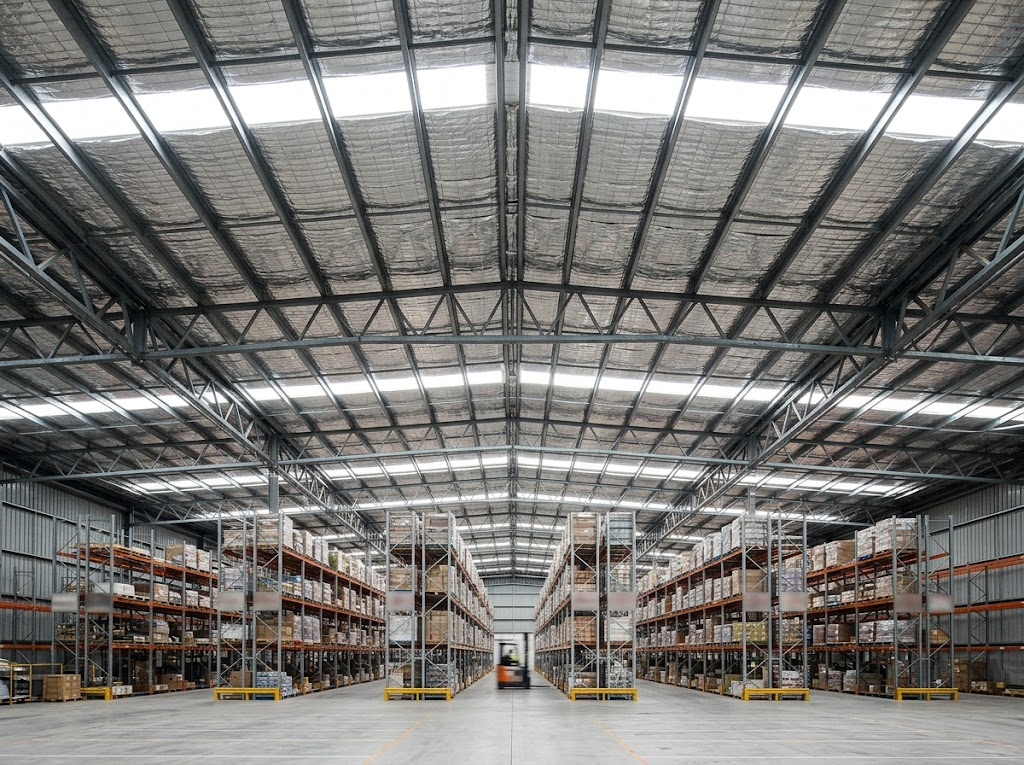
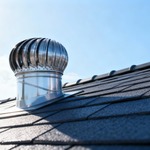
Warehouses and factories generally have significantly larger roof spans and greater building heights than residential homes. The larger the roof area, the greater the potential volume of hot air that can accumulate beneath the roof, particularly when the building does not have an adequately designed hot-air ventilation system.
Large industrial spaces therefore require careful consideration of both roof insulation and ventilation to help manage heat buildup effectively.
Higher Levels of Heat Exposure
Many warehouses and industrial buildings use metal roofing, which can absorb and transfer heat relatively quickly compared with some other roofing materials.
In industrial buildings, controlling heat gain can be particularly important because excessive indoor temperatures may affect worker comfort, productivity, stored goods, and equipment performance.
Material Specifications to Consider
Because industrial buildings typically have larger roof areas and potentially higher heat exposure, the aluminum foil specification should be selected according to the actual requirements of the project.
Factors such as aluminum layer thickness, durability, installation method, roof structure, and expected environmental exposure should be evaluated before selecting the material.
Roof structures in industrial buildings, such as large-span steel structures, require different installation methods compared with lightweight steel framing commonly used in residential buildings.
The larger roof dimensions and greater installation heights can also make the installation process more challenging. Proper planning, suitable access equipment, and appropriate workplace safety procedures are therefore essential during installation.
The installation method should also account for the roof structure and ensure that the aluminum foil is properly secured to prevent sagging, tearing, or movement during long-term use.
Impact on Indoor Comfort and Industrial Activities
In industrial buildings, excessive indoor heat can affect more than just occupant comfort. High temperatures may also influence the condition of stored products and the performance of equipment operating inside the facility.
A properly designed roof insulation system can help reduce heat transfer from the roof and maintain a more stable indoor environment throughout the day. However, insulation performance should be considered together with ventilation, roof design, building orientation, and other factors that affect indoor thermal conditions.
Choosing the Right Aluminum Foil for Industrial Buildings
The differences in roof area, building height, heat exposure, structural design, and indoor activities mean that aluminum foil for warehouses and industrial buildings should not simply be selected based on residential requirements.
Instead, the insulation system should be tailored to the building's actual conditions and performance requirements. Selecting the appropriate aluminum foil specification and combining it with an effective roof ventilation strategy can help improve thermal comfort, protect building contents, and support a more suitable working environment.


 Bahasa