 English
Ozvent Turbine Ventilator, a Solution for Stuffy and Hot Rooms
High humidity is one of the challenges of living in a tropical climate. Humid air can make rooms feel stuffy and uncomfortably warm. This issue can be addressed by creating ample cross ventilation throughout the house, allowing air to circulate freely and helping rooms stay fresh and less humid.
However, in homes that no longer have open spaces on the left, right, and rear sides—leaving only the front side exposed—cross ventilation may be difficult to create or may not function effectively.
As a result, many people use exhaust fans to improve indoor air circulation. These fans help remove indoor air and direct it upward, allowing fresh air entering from the front of the house to circulate more efficiently.
The drawback is that exhaust fans require electricity to operate. This means homeowners must bear ongoing monthly electricity costs for running the ventilation system.
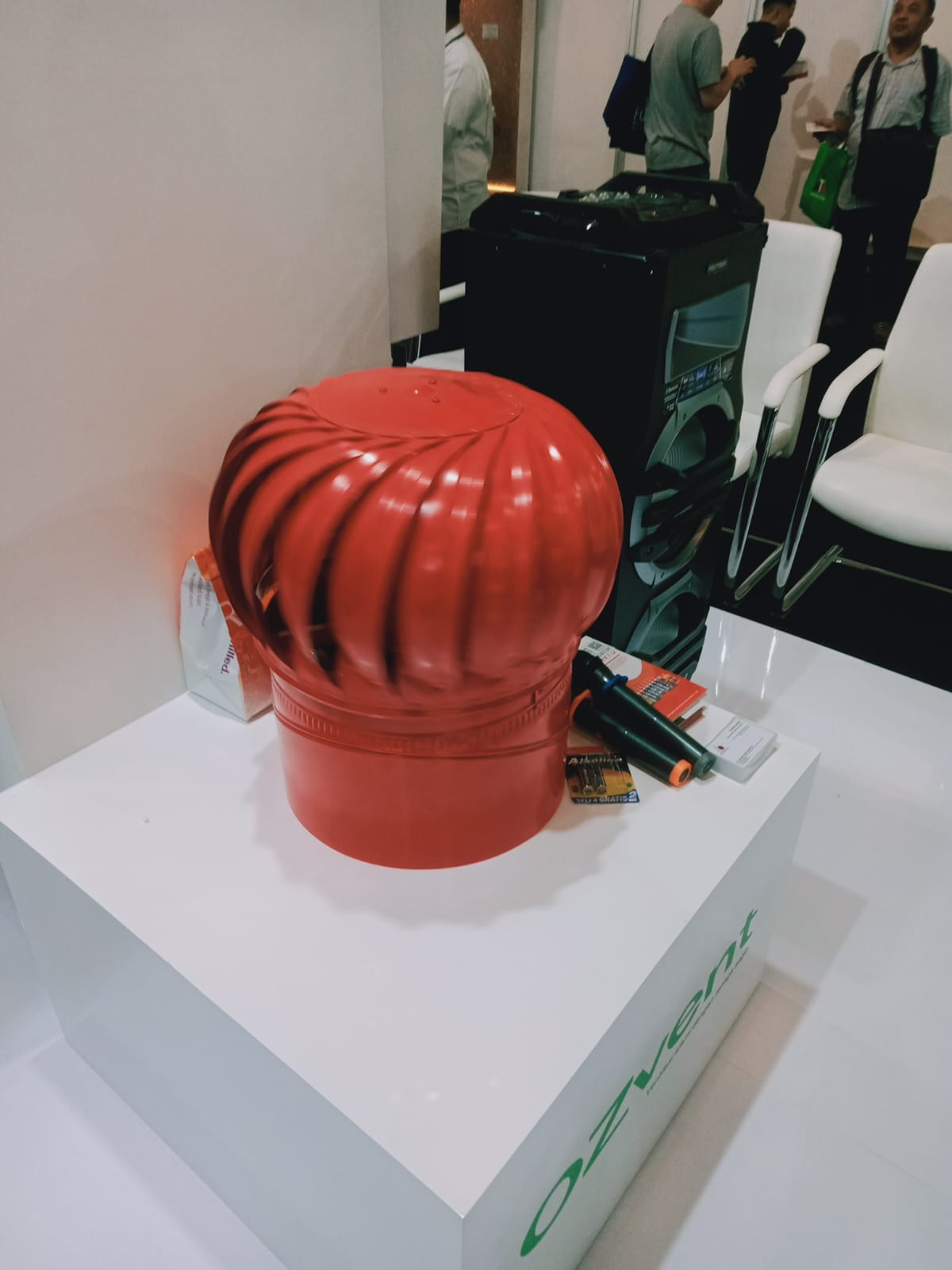
Today, there is a ventilation solution that requires no electricity at all and operates solely using wind power: the turbine ventilator. One such product is Ozvent, marketed by PT Batara Surya Semesta (Batara Group).
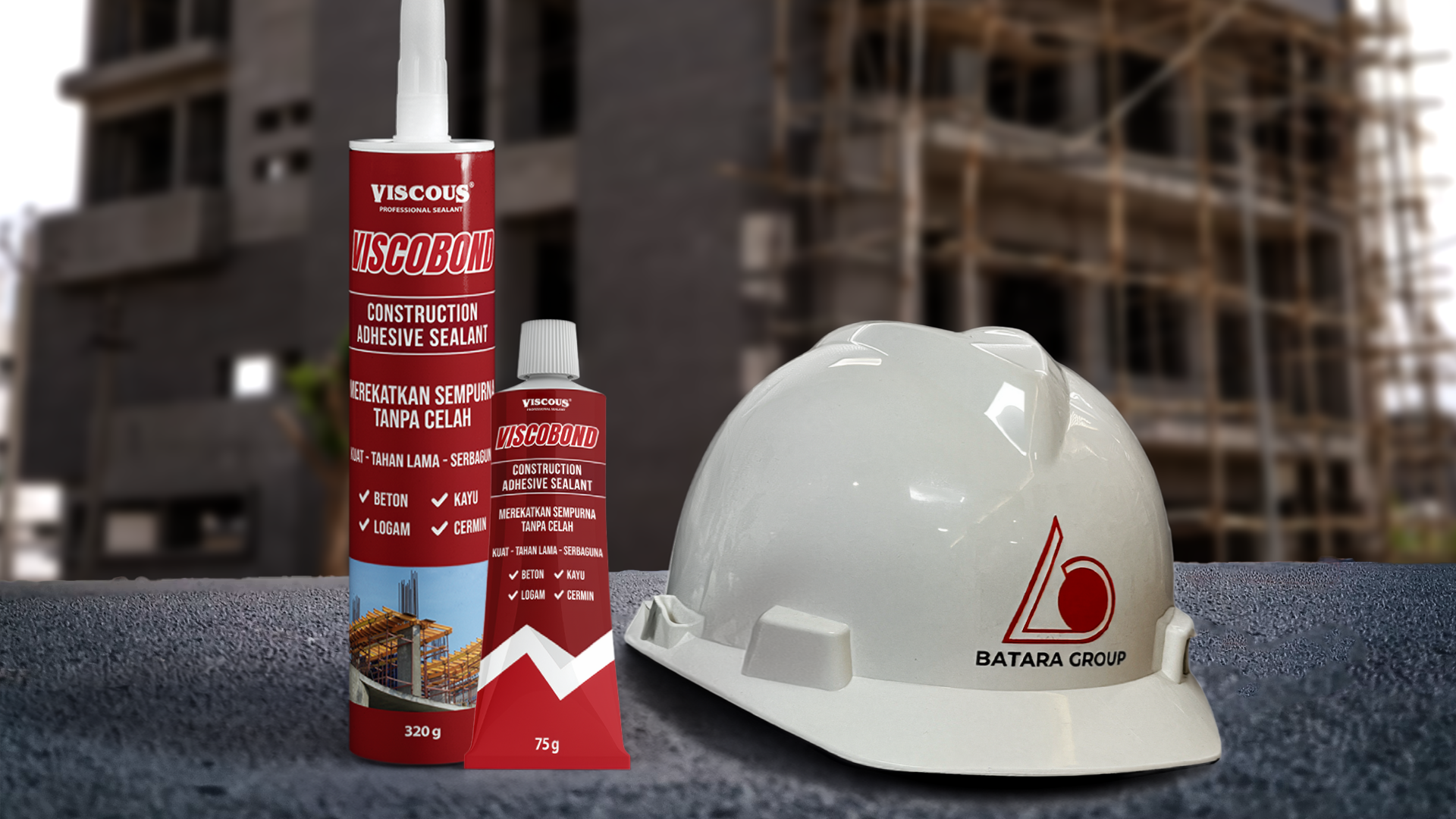
Batara Group is a distributor of various premium building materials under the Batara Home Brands portfolio, including Casali and Wisproof waterproofing membranes, Polyshield and Polynum roof insulation, Viscous sealant adhesives, Duorock mineral wool insulation, Smartcubic phenolic boards, and Ozvent turbine ventilators.
The aluminum turbine ventilator, designed with louvered blades arranged in a circular crown-like shape, has long been commonly used on factory rooftops. Because it is made of lightweight aluminum, even a gentle breeze can rotate the turbine, drawing hot and humid air from the room below and releasing it outside.
Most turbine ventilators used on factory roofs are typically 24 inches in size and come in a metallic finish. Ozvent models designed for residential use are offered by Batara Group in a smaller 14-inch size, and their color can be customized to match the design and color of the home's roof.
“If the roof tiles are red, Ozvent can be painted red as well. If the roof is black, it can be painted black, and so on,” said Reissa Siregar, Commercial Director of Batara Group, speaking to the media during the IndoBuildTech building materials exhibition at ICE BSD, Tangerang, on Wednesday (July 2, 2025).
A medium-sized house of up to 60 square meters typically requires only two to three Ozvent units. With turbine ventilation installed, indoor humidity can be reduced by up to 50 percent, making rooms feel less stuffy and hot while lowering indoor temperatures by approximately 2–3 degrees Celsius.
“Ozvent is effective in reducing indoor humidity levels,” said Reissa.
The placement of the turbine ventilators can be adjusted according to the roof design, ensuring that they do not interfere with the overall appearance of the roof or the house.
Reissa acknowledged that, in terms of upfront cost, Ozvent is generally more expensive than an exhaust fan. A 14-inch Ozvent unit, for example, is priced at approximately IDR 1.5 million, while an exhaust fan with similar capacity may cost less than IDR 1 million per unit.
However, in the long run, turbine ventilators such as Ozvent are considered much more economical because they require no electricity whatsoever. In addition, Ozvent is maintenance-free and comes with a 5-year durability warranty.
This article is republished version of a press release Housing Estate: https://housingestate.id/
Tags :
Media Release