 Bahasa
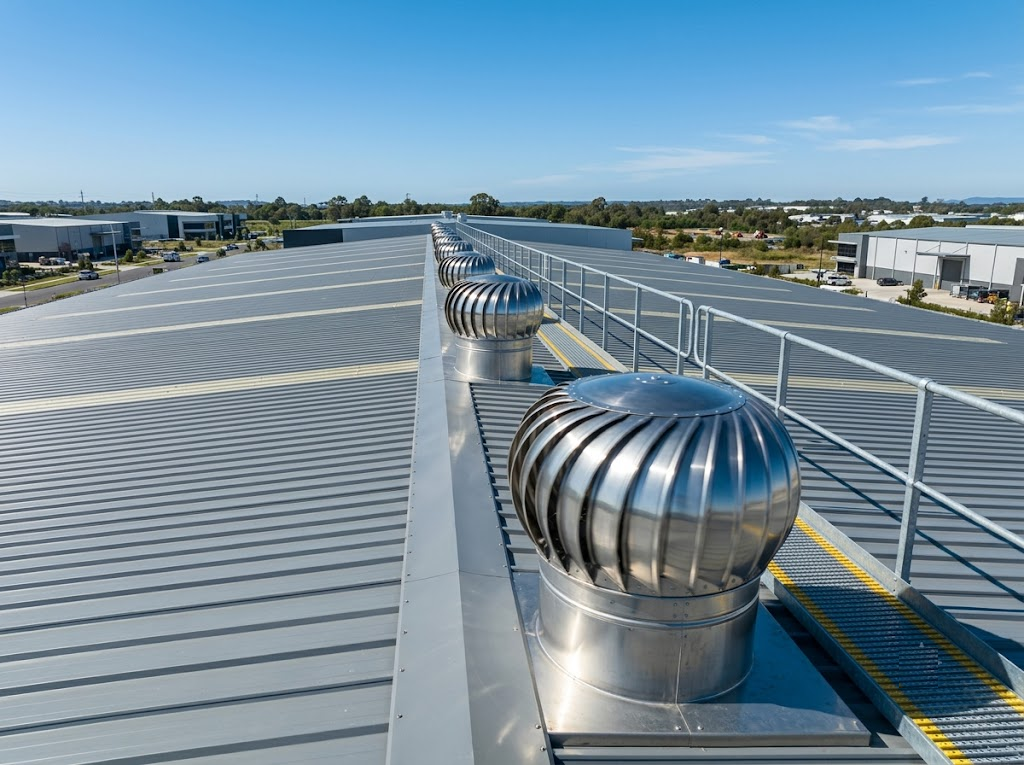
Roof Turbine Ventilators: The Best Solution for Reducing Warehouse Heat
Efficient air circulation is essential for maintaining a comfortable and productive environment in industrial buildings. Excessive indoor heat not only reduces employee productivity but can also affect the quality and lifespan of stored products and manufacturing equipment.
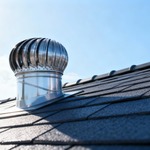
A roof turbine ventilator is a passive ventilation system designed to continuously extract hot air from inside a building without consuming electricity. By improving natural airflow, turbine ventilators help stabilize indoor temperatures while reducing the reliance on mechanical cooling systems.
This guide explains the causes of warehouse heat buildup, how roof turbine ventilators work, and the key specifications to consider when selecting the right ventilation system for your facility.
Common Air Circulation Problems in Warehouses
Warehouses and industrial facilities typically feature large open spaces with high ceilings. Without an effective ventilation strategy, these environments are prone to excessive heat accumulation.
Why Does Heat Build Up Inside Warehouses?
One of the most common ventilation issues in industrial buildings is an insufficient Air Change Rate (ACH).
Heat generated by production machinery, industrial equipment, warehouse operations, and solar radiation naturally rises and accumulates beneath the roof. This phenomenon is known as thermal stratification.
Without an effective exhaust system, hot air remains trapped near the ceiling and gradually radiates back into the occupied workspace. As a result, air conditioning systems must operate harder to maintain comfortable temperatures, increasing energy consumption and operating costs.
Roof Turbine Ventilators: A Natural Ventilation Solution
To eliminate trapped hot air efficiently, installing roof turbine ventilators offers a sustainable and cost-effective ventilation solution.
Unlike powered exhaust fans, turbine ventilators operate entirely on natural forces, making them an energy-efficient choice for industrial facilities.
How Roof Turbine Ventilators Work
Roof turbine ventilators utilize two natural energy sources simultaneously:
- Wind flowing across the roof
- Thermal buoyancy created by rising hot air inside the building
The system works similarly to a traditional chimney.
As outdoor wind rotates the turbine blades, low pressure is created inside the ventilator. This pressure difference continuously draws hot indoor air upward and expels it through the rotating turbine.
Even during calm weather, the natural tendency of hot air to rise allows the ventilator to continue exhausting warm air, ensuring continuous passive ventilation.
Because roof turbine ventilators require no electrical power, they can operate 24 hours a day while significantly reducing energy costs and delivering an excellent long-term return on investment (ROI).
Choosing the Right Turbine Ventilator Size
Selecting the correct roof ventilator should never be based solely on building size.
Proper sizing requires consideration of:
- Building volume
- Ceiling height
- Internal heat load
- Required Air Changes per Hour (ACH)
- Type of industrial activity
Accurate ventilation calculations ensure optimal airflow and maximum cooling performance.
Turbine Ventilator Materials
Commercial roof turbine ventilators are typically manufactured using one of two primary materials.
Aluminum
Aluminum turbine ventilators are lightweight and highly responsive to even gentle wind conditions.
They are commonly used for:
- Warehouses
- Distribution centers
- Logistics facilities
- Commercial buildings
Stainless Steel
Stainless steel turbine ventilators provide superior resistance to corrosion, oxidation, and chemical exposure.
They are recommended for:
- Chemical manufacturing plants
- Waste treatment facilities
- Coastal industrial buildings
- Food processing plants
- Corrosive industrial environments
For most commercial and industrial applications, turbine ventilators with 24-inch to 36-inch neck diameters provide excellent airflow capacity for large-span buildings.
Best Installation Practices
The performance of a roof turbine ventilator depends heavily on proper installation and placement.
Incorrect positioning can significantly reduce ventilation efficiency.
Ideal Installation Location
The optimal installation point is along the roof ridge, the highest point of the building where hot air naturally accumulates.
Positioning ventilators at the roof ridge maximizes natural thermal buoyancy and improves continuous hot air extraction.
The spacing between multiple turbine ventilators should also be designed according to the building's required Air Changes per Hour (ACH) to ensure balanced ventilation throughout the entire facility.
For maximum thermal performance, professional roofing contractors often recommend combining roof turbine ventilators with reflective roof insulation. This combination minimizes solar heat gain while efficiently removing accumulated hot air, resulting in a cooler and more energy-efficient building.
Frequently Asked Questions (FAQ)
Will roof turbine ventilators leak during heavy rain?
No. High-quality turbine ventilators are engineered with aerodynamic blade designs that prevent rainwater from entering the building.
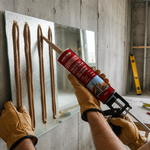
Proper installation of flashing and weatherproof silicone sealant is equally important to ensure a completely watertight roof penetration.
Will the turbine still work when there is no wind?
Yes.
Even under calm weather conditions, rising hot air inside the building creates natural thermal buoyancy that continues to drive airflow through the ventilator.
Although airflow is stronger during windy conditions, ventilation continues even without external wind.
Do roof turbine ventilators require regular lubrication?
Very little maintenance is required.
Most commercial-grade turbine ventilators use permanently lubricated stainless steel bearings, eliminating the need for routine lubrication while ensuring reliable long-term operation.
Improve Warehouse Comfort with Natural Roof Ventilation
A well-designed ventilation system is essential for protecting inventory, improving employee comfort, and reducing cooling costs in commercial and industrial buildings.
By selecting the appropriate roof turbine ventilator and installing it according to professional engineering standards, you can significantly improve indoor air quality and achieve long-term energy savings.
Contact Batara Group to discuss your project requirements and receive expert recommendations for roof turbine ventilators, industrial roof ventilation systems, and complete roofing solutions tailored to your facility.