 Bahasa

Roof Heat Insulation: A Cooler Upper Floor for Your Home or Shophouse
Have you ever avoided spending time on the second floor of your home or shophouse because of the scorching midday sun?
Many people complain that their upper floors feel significantly hotter and stuffier, even when the air conditioner (AC) is running at full capacity.
This is a common problem in shophouses and two-story homes across tropical urban areas.
Without adequate thermal protection, solar radiation can easily heat the roofing material, allowing heat to transfer into the interior spaces below.
To address this discomfort, let’s explore the main causes of excessive indoor heat and how the right roof heat insulation system can help create a more comfortable living or working environment.
Why Is the Upper Floor Always the Hottest Area?
The roof absorbs solar radiation, causing its temperature to rise. Heat can then transfer through the roofing materials into the building through radiation, conduction, and convection. The temperature on the upper floor is also affected by roof cavity ventilation, insulation, ceiling construction, and direct sun exposure.
To better understand other factors that influence indoor temperatures, read our article, Why Does Your Home Feel Hot During the Dry Season? The Role of Roof Insulation.
Combining Solutions to Reduce Upper-Floor Heat
Tackling excessive indoor heat requires more than relying on a single material. Instead, you need a combination of complementary solutions:
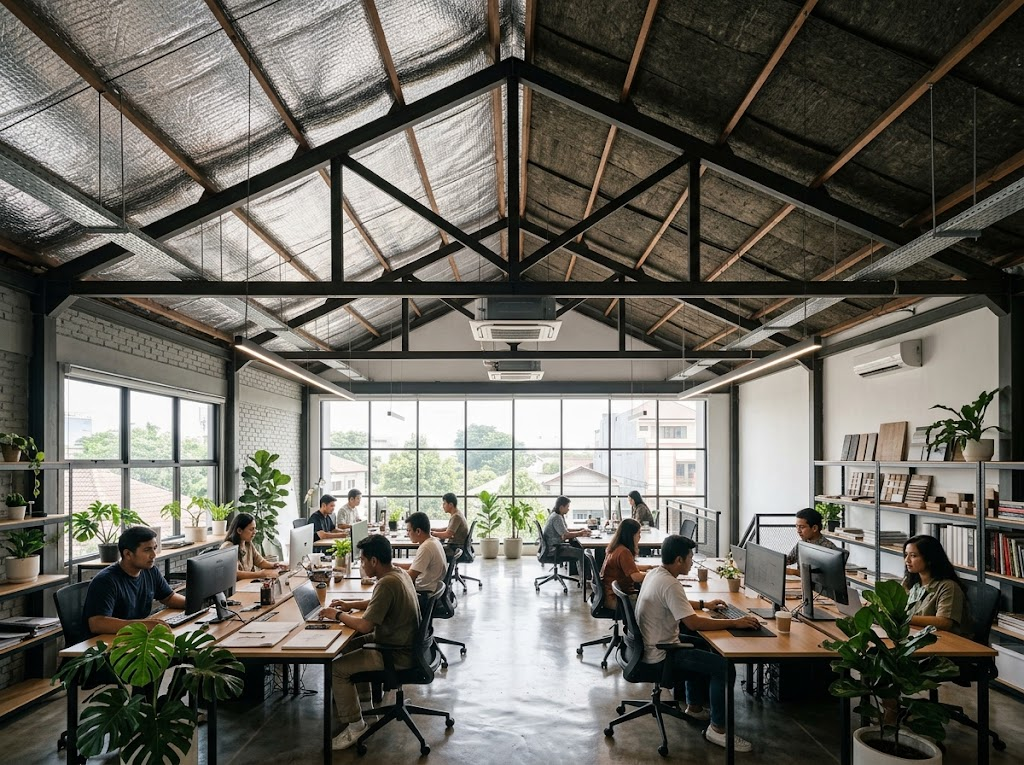
- Thermal Radiation Reflection: Install a roofing aluminum foil sheet, such as Polyshield, beneath the roof covering to reflect solar radiation. The original product claim states that it can reflect up to 97% of solar heat; actual performance depends on the product specifications and installation conditions.
- Reducing Heat Conduction: Use roof insulation materials such as rockwool or high-density bubble insulation above the ceiling to help limit the transfer of remaining heat.
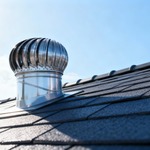
- Removing Trapped Hot Air: Provide an outlet for hot air in the roof cavity by installing a turbine roof ventilator, helping promote continuous air circulation.
To compare the performance of different protective materials, explore our guide to 5 Effective Roof Heat Insulation Materials for Tropical Homes.
Renovation Strategies to Suit Your Project Budget
If you are working with a limited budget, deciding between a complete roof renovation and adding an extra protective layer can make a significant difference to overall project costs.
- Option Without Removing the Roof Covering: If the existing roof covering is still in good condition, you may be able to add an insulation layer above the second-floor gypsum ceiling, provided the existing construction allows for it.
- Complete Roof Renovation: If you are already renovating the roof, consider replacing the existing covering with quality materials and installing a reflective insulation layer beneath the roof battens.
- Improving Roof Ventilation: If the roof cavity feels excessively hot and stuffy, consider installing a turbine roof ventilator near the roof ridge. Read our guide on How to Calculate the Number of Turbine Roof Ventilators to help determine the appropriate quantity for your roof area.
Find the Right Insulation Solutions at Batara Group
Creating a cooler upper floor not only improves occupant comfort but may also help reduce long-term electricity costs by lowering cooling demand.
As a trusted distributor of premium building materials, Batara Group offers a wide selection of high-quality insulation products for homes, shophouses, and commercial buildings.
We also provide complementary products, including turbine roof ventilators and quality roofing tiles, to help complete your roof protection system.
To find materials suited to your roof conditions and project requirements, contact Batara Group for more information about our available products.