 Bahasa
Roof Aluminium Foil Installation: Best Practices for Maximum Thermal Insulation
High indoor temperatures are a common challenge for residential, commercial, and industrial buildings in tropical climates. To reduce solar heat gain and improve thermal comfort, reflective insulation has become a standard component in modern roofing systems.
Roof aluminium foil is a reflective insulation material designed to block radiant heat by reflecting solar radiation before it reaches the ceiling and interior spaces.
However, the effectiveness of aluminium foil insulation depends heavily on proper installation. This guide explains the standard operating procedures (SOPs) and technical best practices that contractors and installers should follow to achieve optimal thermal performance.
How Roof Aluminium Foil Works
Unlike traditional insulation materials that absorb heat, aluminium foil works by reflecting radiant heat away from the building.
Understanding this principle is essential for ensuring the insulation is installed correctly and performs as intended.
Reflecting Solar Radiation
Commercial-grade reflective foil is engineered with high reflectivity and low emissivity, allowing it to reflect up to 95% of infrared radiant heat from the sun.
By preventing radiant heat from entering the building envelope, aluminium foil helps reduce ceiling temperatures and minimizes the workload of air conditioning (HVAC) systems, resulting in lower energy consumption.
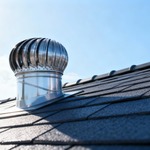
For large industrial buildings, warehouses, and factories, reflective roof insulation is often combined with roof ventilators or turbine ventilators to remove trapped hot air beneath the roof, further improving indoor thermal comfort.
Material Preparation
Before roof installation begins, contractors should verify that all insulation materials meet the project specifications and Bill of Quantities (BOQ). Selecting the wrong insulation product can significantly reduce the building's thermal performance and service life.
Aluminium Foil Specifications
Several types of roof insulation foil are available, each designed for different building applications.
| Material Type | Characteristics | Recommended Applications |
|---|---|---|
| Single-Sided Aluminium Foil | Reflective aluminium surface with woven reinforced backing | Residential roofs with standard ceilings |
| Double-Sided Aluminium Foil | Reflective aluminium surfaces on both sides | Commercial buildings, warehouses, and exposed roof structures |
| Aluminium Foil with Bubble or Foam Core | Reflective foil combined with air bubbles or foam insulation | Industrial buildings requiring additional thermal and rain noise insulation |
Selecting the appropriate insulation type ensures maximum performance based on the building's operational requirements.
Roof Insulation Installation Procedure
Installing reflective roof insulation requires careful handling to prevent tearing and maintain continuous thermal protection.
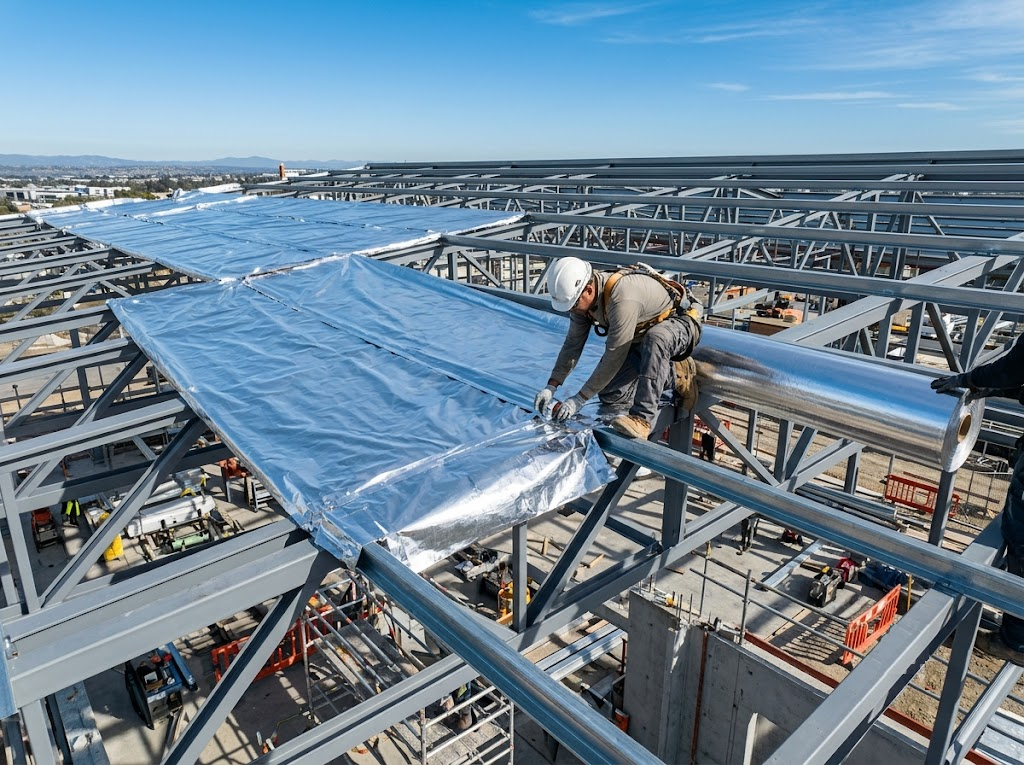
All installers should follow appropriate workplace safety procedures when working on steel roof structures or elevated construction sites.
Step-by-Step Installation Guide
Follow these professional installation steps to ensure optimal insulation performance:
1. Stretch the Foil
Unroll the aluminium foil horizontally, following the direction of the roof purlins or rafters. Keep the material taut to avoid sagging.
2. Overlap Adjacent Sheets
Overlap each sheet by at least 5–10 cm (2–4 inches) to eliminate gaps where radiant heat could penetrate.
3. Seal All Joints
Seal every overlap using high-quality aluminium foil tape to create an airtight reflective barrier and prevent heat leakage.
4. Secure the Insulation
Install steel battens directly over the insulation and fasten them using roofing screws to securely lock the foil into position before the roof covering is installed.
Common Installation Mistakes to Avoid
Even premium-quality insulation materials cannot deliver optimal performance if installed incorrectly.
One of the most common installation errors is placing the aluminium foil directly against the roof covering, such as metal roofing sheets or steel panels.
The Importance of an Air Gap
Reflective insulation requires an air gap of approximately 2–4 cm (0.8–1.6 inches) between the aluminium foil and the roof covering.
This air space is critical because aluminium foil functions by reflecting radiant heat, not by conducting it.
A useful comparison is a vacuum flask (thermos). Just as the air space inside a thermos minimizes heat transfer, the air gap beneath reflective insulation enables the foil to maintain its high reflective performance.
Without this gap, heat is transferred directly through conduction, dramatically reducing the insulation's effectiveness.
Frequently Asked Questions (FAQ)
Does a wide-span roof require wire mesh support?
Yes. For large-span roofs such as factories and warehouses, wire mesh support is highly recommended. It prevents the insulation from sagging or tearing during installation and helps maintain consistent tension across the roof structure.
What should I do if the aluminium foil tears during installation?
Never leave damaged sections exposed. Immediately repair the tear using aluminium foil tape, applying the tape across the damaged area to restore the reflective barrier and prevent thermal leakage.
How long does roof aluminium foil insulation last?
When installed correctly and protected from direct water intrusion, commercial-grade aluminium foil insulation can maintain its thermal performance for more than 10 years.
Does weather affect installation quality?
Yes. Installation should not be performed during strong winds because large aluminium foil sheets are lightweight and can easily tear or become misaligned before they are securely fastened.
Improve Building Energy Efficiency with Proper Roof Insulation
Proper installation is just as important as selecting high-quality insulation materials. Following professional installation procedures ensures maximum thermal performance, reduces cooling costs, and extends the lifespan of your roofing system.
Contact Batara Group for expert guidance on selecting the right weather protection and roof insulation materials for your project. Our technical specialists are ready to help you choose the best solution and provide a competitive quotation for your commercial or residential building.