 Bahasa
Liquid Waterproofing vs. Torch-Applied Membrane: Which System Is Right for Your Project?
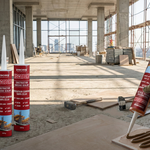
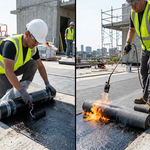
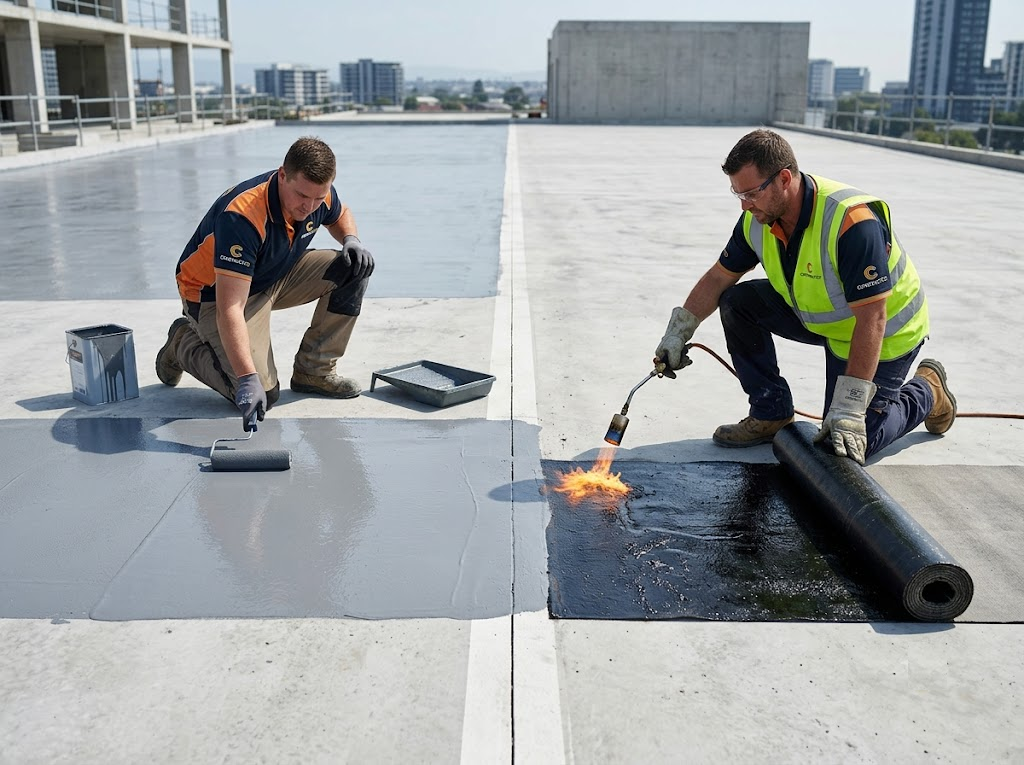
Liquid waterproofing is a liquid-applied membrane that cures into a seamless, flexible waterproof barrier. In contrast, a torch-applied waterproofing membrane is a factory-manufactured modified bitumen sheet installed by heating the underside with a gas torch.
Choosing the right waterproofing system is one of the most important decisions in any construction project. Selecting the wrong material for the intended application or structural conditions can result in premature waterproofing failure, water infiltration, and costly repairs.
Whether you're an architect, engineer, contractor, or property developer, understanding the technical characteristics of both systems is essential. This guide provides an objective comparison to help you select the most effective and cost-efficient waterproofing solution.
Understanding Liquid Waterproofing
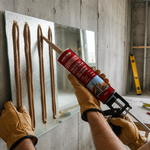
Liquid waterproofing systems are typically formulated from polymers such as polyurethane (PU), acrylic, or cementitious compounds. They are applied much like paint and cure into a continuous waterproof membrane without joints or seams.
Flexibility and Ease of Application
One of the greatest advantages of liquid waterproofing is its exceptional flexibility.
Its high elongation properties allow the membrane to bridge small cracks in concrete substrates without tearing, making it ideal for structures subject to minor movement.
Application is also straightforward. Depending on the product, liquid waterproofing can be applied using:
- Rollers
- Brushes
- Airless spray equipment
Think of liquid waterproofing as a flexible rubber skin that conforms perfectly to every contour of the substrate. Because it creates a seamless membrane, there are no joints where water can penetrate.
Understanding Torch-Applied Waterproofing Membranes
Unlike liquid systems, torch-applied waterproofing membranes are heavy-duty waterproofing sheets manufactured under factory-controlled conditions with a uniform thickness.
Superior Strength and Durability
Modified bitumen membranes are engineered to provide excellent mechanical protection and long-term waterproof performance.
Commercial-grade membranes are commonly available in 3 mm and 4 mm thicknesses.
Their greater thickness offers excellent resistance to:
- Hydrostatic pressure
- Mechanical impact
- Standing (ponding) water
- Long-term weather exposure
One of the most common installation issues occurs when the concrete substrate has not fully cured.
For successful installation, the concrete surface must first be treated with a bitumen primer, ensuring that the heated membrane bonds securely to the substrate.
Technical Comparison
When selecting a waterproofing system, it is important to evaluate not only material properties but also installation time, maintenance requirements, and overall project costs.
Liquid Waterproofing vs. Torch-Applied Membrane
| Technical Parameter | Liquid Waterproofing | Torch-Applied Membrane |
|---|---|---|
| Application Method | Roller, Brush, or Airless Spray | Gas Torch Installation |
| Installation Speed | Fast, Minimal Equipment Required | Slower, Requires Skilled Installation |
| Cost Efficiency | More economical for complex surfaces | More cost-effective for large open areas |
| Membrane Thickness | Approximately 1–2 mm (depending on coating system) | Consistent 3 mm or 4 mm factory thickness |
| Maintenance | Easy to repair with localized recoating | More difficult, often requires removing surrounding membrane |
Recommended Applications
Although both systems are designed to prevent water infiltration, their different physical characteristics make them suitable for different types of construction projects.
Bathrooms vs. Flat Concrete Roofs
Liquid waterproofing performs exceptionally well in confined spaces with numerous penetrations and complex details, including:
- Bathrooms
- Balconies
- Kitchens
- Wet rooms
- Floor drains
- Pipe penetrations
Its fluid consistency allows it to seal corners, joints, and plumbing penetrations that are difficult to waterproof using sheet membranes.
By contrast, torch-applied waterproofing membranes are the preferred solution for large, flat surfaces exposed to harsh weather conditions, including:
- Flat concrete roofs
- Podium decks
- Roof terraces
- Basements
- Large commercial roofs
These areas require superior mechanical durability and long-term resistance to standing water.
For maximum protection of concrete roof structures, commercial-grade torch-applied membranes remain one of the industry's most reliable waterproofing solutions.
Frequently Asked Questions (FAQ)
Can liquid waterproofing be used for permanently submerged structures such as swimming pools?
Yes, but only specific formulations are suitable.
For continuously submerged applications, use two-component cementitious waterproofing or pure polyurethane waterproofing. Standard acrylic waterproof coatings are generally not recommended because prolonged water exposure may lead to coating failure.
Which waterproofing system lasts longer?
From a structural standpoint, torch-applied bitumen membranes generally offer a longer service life, often 10–15 years or more when properly installed and protected with a screed or protective topping.
However, actual performance depends on installation quality, environmental conditions, and maintenance.
Can both waterproofing systems be used in the same project?
Absolutely.
In fact, many commercial projects combine both systems.
Torch-applied membranes are typically installed over large flat surfaces, while liquid waterproofing is used for difficult areas such as:
- Flashings
- Internal corners
- Pipe penetrations
- Roof details
- Areas inaccessible to torch installation
Combining both materials provides a comprehensive waterproofing solution that maximizes long-term performance.
Choose the Right Waterproofing System for Long-Term Protection
Selecting the appropriate waterproofing system is more than a material decision—it is an investment in the durability, reliability, and long-term performance of your building.
By matching the waterproofing method to the project's structural requirements, contractors can reduce maintenance costs, minimize warranty claims, and deliver more dependable construction outcomes.
Contact Batara Group to discuss the best waterproofing specifications for your project. Our technical specialists are ready to recommend commercial-grade waterproofing solutions tailored to your building's requirements.