 Bahasa
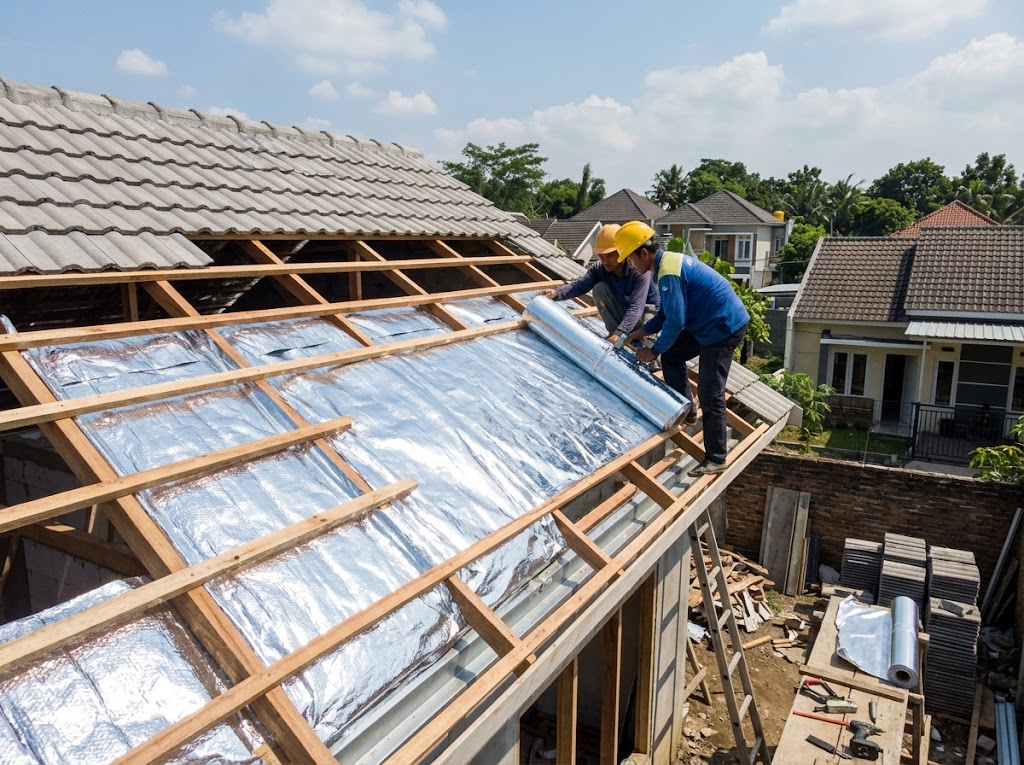
Choosing the Right Aluminum Foil Thickness for Roof Insulation
Choosing the Right Aluminum Foil Thickness for Roof Insulation
When choosing aluminum foil for roof insulation, many people focus only on the type of foil without considering its thickness. However, thickness, typically measured in microns (µm), is also an important factor that can affect material durability and overall insulation performance.
What Does Micron Thickness Mean for Aluminum Foil?
A micron is a unit used to measure the thickness of the aluminum layer in foil insulation. The higher the micron value, the thicker the aluminum layer.
This specification is typically listed in the product's technical data and can be used as one of the factors when comparing different aluminum foil insulation products.
How Thickness Relates to Heat Reflection
A thicker aluminum layer can generally provide a more durable and stable reflective surface, particularly under long-term use and handling.
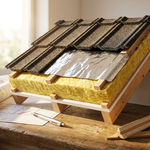
However, thickness alone does not determine the effectiveness of roof insulation. Proper installation is equally important, including ensuring the reflective surface faces the heat source and that overlaps and joints are properly sealed.
How Thickness Affects Material Durability
In addition to its reflective properties, aluminum foil thickness is also related to the material's resistance to tearing during installation and its durability under long-term exposure to environmental conditions.
Very thin foil can be more susceptible to tearing or damage during installation, particularly on roofs with complex framing, multiple joints, or difficult-to-access areas.
Choosing the Right Thickness for Different Building Types
Residential Buildings
For residential buildings with a standard roof area and moderate heat exposure, a medium-thickness aluminum foil insulation product may generally be sufficient when combined with the appropriate insulation type and proper installation.
The actual specification should still be determined based on the roof construction, roofing material, climate, and manufacturer's recommendations.
Commercial and Industrial Buildings
Buildings with large roof areas and high levels of solar exposure, such as warehouses and factories, may require thicker aluminum foil insulation to withstand more demanding installation and operating conditions.
Factors such as roof span, roofing material, ventilation, installation method, and expected service conditions should also be considered when selecting the appropriate specification.
Practical Tips for Choosing the Right Thickness
Several factors can be used as a reference when selecting aluminum foil thickness, including:
- Roof area and building size
- Level of direct solar exposure
- Type of roofing material
- Roof construction and framing system
- Installation conditions
- Expected durability and service requirements
- Available project budget
Consulting with insulation specialists during the planning stage can help determine the most suitable thickness without unnecessarily increasing costs through specifications that exceed the actual requirements.
For complete information about aluminum foil-based insulation products and specifications, visit the Polyshield insulation product page.
By understanding the relationship between aluminum foil thickness, heat reflection, durability, and installation requirements, you can make a more informed decision when selecting roof insulation for your building.