 Bahasa

Aluminum Foil for Roofing: Myths vs. Facts
Have you ever noticed that rooms on the second floor of your house feel much hotter during the day?
Extreme temperatures caused by direct sunlight can make the space beneath the roof unbearably hot and uncomfortable.
Many homeowners are tempted to install reflective insulation as an affordable, quick solution to reduce indoor heat. However, some end up disappointed when their rooms still feel hot after installation due to unrealistic expectations.
In this article, Batara Group explores the common myths and technical facts about aluminum foil roof insulation to help you choose the right thermal insulation material for your building.
Aluminum Foil for Roofing: Myths vs. Facts
Various misconceptions surround the use of reflective insulation materials for roofing applications.
Let's examine the facts behind these common beliefs from a scientific and objective perspective.
1. Myth: Aluminum Foil Alone Is Enough Without Ventilation
Fact: Reflective aluminum foil works by reflecting radiant heat. For example, Polyshield from Batara Group can reflect up to 97% of radiant heat, according to its product specifications. However, hot air trapped in the attic still requires adequate ventilation to prevent heat from accumulating.
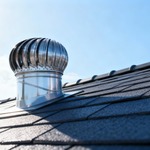
Without proper airflow through roof ventilation, heat trapped beneath the roof tiles can continue to transfer toward the ceiling, making indoor spaces uncomfortable.
2. Myth: The Thicker the Material, the Cooler the Room
Fact: The primary function of reflective aluminum foil is to reflect radiant heat rather than simply absorb heat through conduction.
Material thickness can affect mechanical durability and conductive heat transfer. However, the effectiveness of reflective insulation also depends on the quality and reflectivity of the foil surface, as well as the presence of an adequate air gap.
For a more detailed explanation, read our guide on How to Choose the Right Aluminum Foil Thickness for Roof Insulation to determine the most suitable option for your home.
3. Myth: Aluminum Foil Can Be Installed Anywhere Without Proper Techniques
Fact: Installing aluminum foil directly against another surface without an appropriate air gap can reduce its ability to reflect radiant heat effectively.
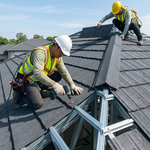
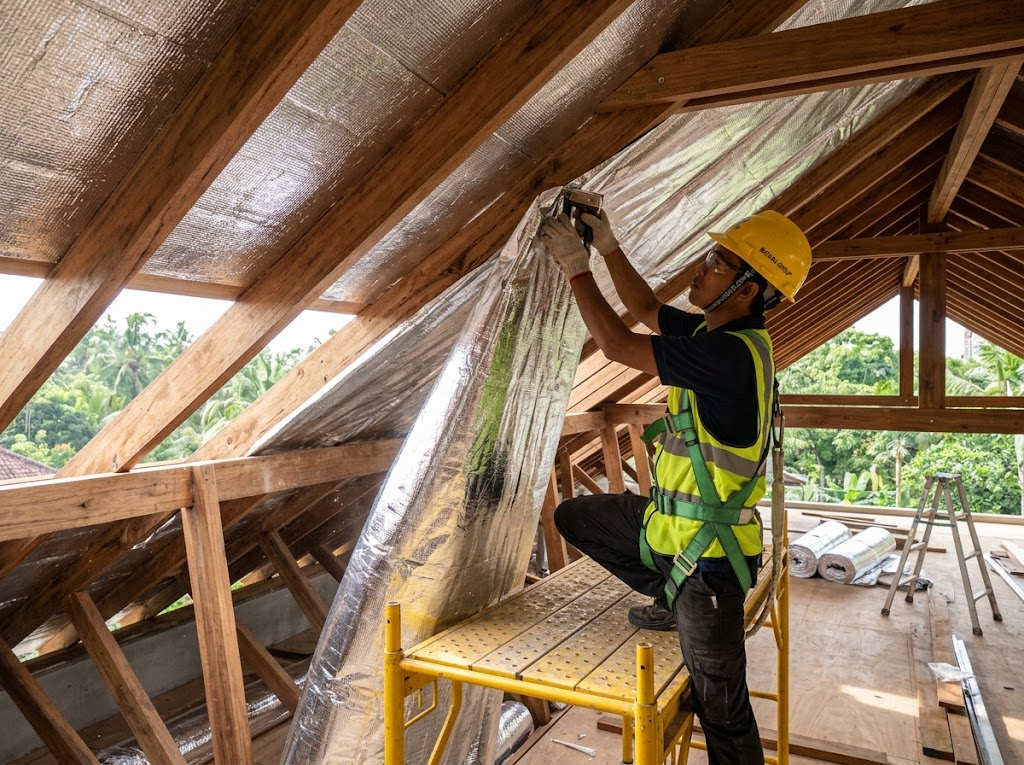
For optimal performance, aluminum foil roof insulation must be installed according to the product specifications and recommended installation methods, with particular attention to the required air gap.
How Aluminum Foil Helps Reduce Roof Heat
Reflective aluminum foil works by reflecting a portion of the radiant heat received from the roof surface. This mechanism helps reduce the amount of heat transferred to the space beneath the roof.
Its effectiveness depends on several factors, including material characteristics, installation methods, the presence of an air gap, and the building's ventilation conditions. Therefore, aluminum foil insulation should be selected based on the specific requirements and characteristics of the roof.
For better thermal performance, aluminum foil can also be considered alongside other insulation materials, depending on the building's needs. Explore our guide to 5 Roof Heat Insulation Materials to learn more about the available options.
Roof Insulation Solutions for Two-Story Homes in Tropical Climates
In two-story homes, bedrooms on the upper floor can become particularly hot during the day, especially when the roof is exposed to direct sunlight. This condition may be influenced by the roof insulation system and airflow in the space beneath the roof.
One solution worth considering is installing thermal insulation materials to help reduce heat transfer from the roof into indoor spaces. Batara Group offers insulation options such as Polyshield, which can be selected according to the building's requirements and the product specifications.
During installation, it is important to consider the appropriate installation method and air gap requirements to ensure the material performs as intended. The roof ventilation system should also be evaluated to support adequate airflow and help prevent heat buildup.
The right combination of insulation materials should be selected based on roof conditions, building requirements, and the technical recommendations for the products being used.
Consult Batara Group for Your Roof Insulation Needs
Choosing reflective roof insulation requires careful consideration to ensure your project budget is spent effectively.
Before purchasing, explore our guide to Aluminum Foil Roofing Prices: Cost Factors and How to Calculate Your Budget to help you prepare a more accurate project cost estimate or Bill of Quantities (BOQ).
As a trusted authorized distributor, Batara Group offers a wide range of high-quality insulation products that meet applicable national and international standards.
Our team of experts is ready to recommend suitable products and provide technical installation guidance based on your building's roof structure.
To find the right insulation material for your building, consult the Batara Group team about product specifications and recommended installation methods.