 Bahasa
Concrete Roof Waterproofing: A Technical Guide to Prevent Roof Leaks
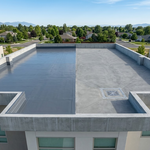
Concrete roof slabs are a popular choice for modern homes across Indonesia thanks to their durability and contemporary appearance. However, because they are constantly exposed to intense sunlight, heavy rainfall, and changing weather conditions, they require reliable waterproof protection.
Without a proper waterproofing system, moisture gradually penetrates the concrete through microscopic pores and cracks. Over time, this can weaken the structure, cause corrosion of reinforcement bars, and lead to costly repairs. Applying the right waterproof coating is a long-term investment that helps keep your building strong, safe, and durable.
Why Do Concrete Roof Slabs Leak?
Concrete roof leaks rarely occur without an underlying structural or installation issue. Understanding the root causes allows property owners to choose the most effective waterproofing solution.
Hairline Cracks and Water Ponding
Concrete naturally expands and contracts due to daily temperature fluctuations. Over time, this movement creates microscopic cracks, commonly known as hairline cracks, which become pathways for water infiltration.
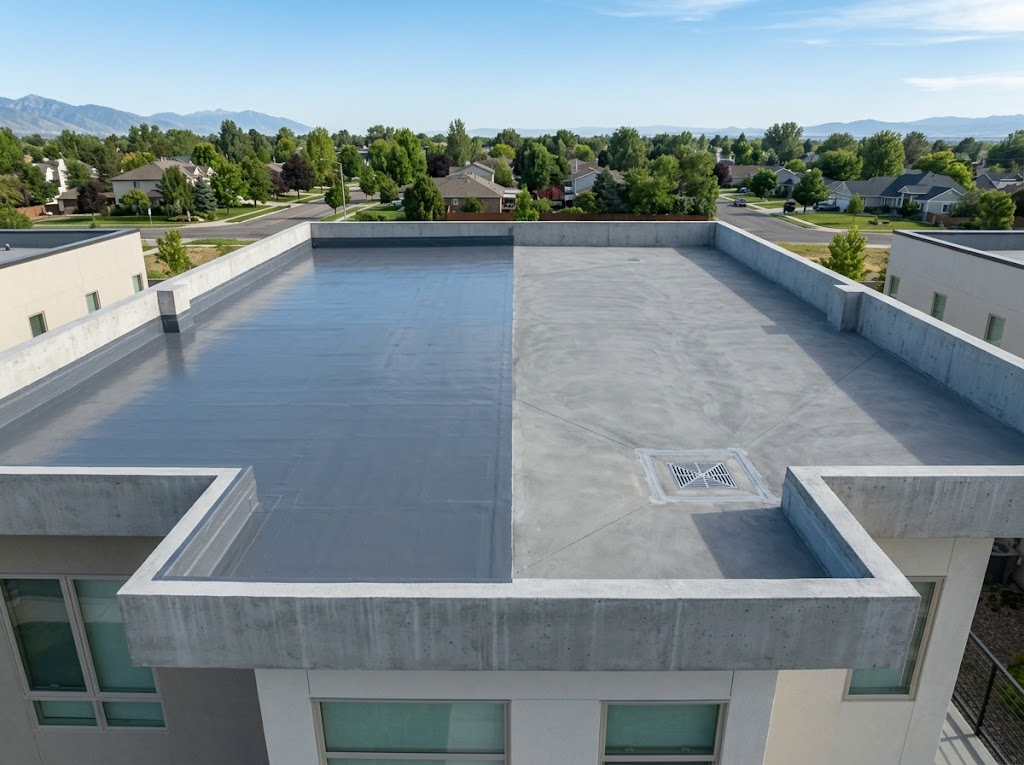
Another common issue is insufficient roof slope. When the concrete roof does not have the proper gradient, rainwater cannot flow efficiently toward the floor drain. Instead, stagnant water accumulates on the surface, increasing the risk of seepage through exposed concrete pores.
Common Leakage-Prone Areas
Although the entire roof surface is exposed to moisture, certain locations are significantly more vulnerable to water penetration and require special attention during waterproofing installation.
Wall-to-Floor Junctions
The intersection between the roof slab and vertical walls (wall-to-floor junctions) is one of the most common sources of leaks. These joints experience different structural movements between horizontal and vertical elements, making them susceptible to cracking.
Other high-risk areas include:
- Pipe penetrations and plumbing outlets
- Construction joints between concrete pours
- Drainage openings
- Expansion joints
Without proper reinforcement and flexible waterproof detailing, these areas can quickly become entry points for water.
Recommended Waterproofing Systems for Concrete Roofs
Selecting the appropriate waterproofing material depends on the building's structure, environmental conditions, and expected performance. High-quality waterproofing systems significantly improve long-term protection against water damage.
Among the most effective options are liquid-applied waterproof coatings and flexible membrane systems. The ideal solution should be selected based on your project's technical requirements and site conditions.
Waterproofing Material Specifications
Exterior concrete roofs require waterproofing materials with excellent UV resistance, weather durability, and flexibility. Common waterproofing systems used in the construction industry include:
Cementitious Waterproofing
Cementitious waterproofing consists of powder and liquid components that form a durable protective coating. It offers:
- Strong adhesion to concrete surfaces
- Excellent performance in high-moisture environments
- Easy application on new and existing structures
Polyurethane (PU) Waterproofing
Polyurethane waterproofing provides exceptional elasticity, allowing it to bridge hairline cracks caused by structural movement.
Key advantages include:
- Superior crack-bridging capability
- High UV and weather resistance
- Long service life with proper installation
Torch-Applied Bituminous Membrane
Torch-on bitumen membranes are installed using heat and are commonly specified for large commercial roofs.
Typical characteristics include:
- Thickness ranging from 3 mm to 4 mm
- Excellent mechanical strength
- High resistance to standing water
- Suitable for large-scale roofing applications
Professional Installation Insights
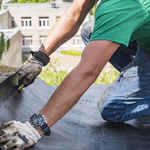
Even the highest-quality waterproofing material will fail if it is not installed correctly. Professional workmanship is just as important as product quality.
Common Waterproofing Installation Mistakes
One of the most frequent installation errors is applying waterproof coatings to damp concrete surfaces. Excessive moisture trapped beneath the coating creates vapor pressure that eventually causes blistering and delamination.
Other common mistakes include:
- Skipping the primer coat, which is essential for improving adhesion and sealing residual dust.
- Applying uneven coating thickness due to improper roller or brush techniques.
- Failing to observe the recommended curing time between coats, preventing proper bonding and full waterproof performance.
Frequently Asked Questions (FAQ)
Should the concrete surface be completely clean before waterproofing?
Yes. Dust, cement residue, dirt, and oil prevent proper adhesion between the waterproofing material and the concrete substrate, increasing the risk of peeling or premature failure.
How long does concrete roof waterproofing typically last?
Standard liquid-applied waterproofing systems generally last between 3–5 years. Premium polyurethane systems and torch-applied bituminous membranes can provide 5–10 years or more of protection when professionally installed and properly maintained.
How can I verify that the waterproofing system is leak-free?
Perform a 24-hour flood test after the waterproofing has fully cured. Block the drain outlet, flood the roof surface with water, and inspect the ceiling below for any signs of leakage.
How often should a concrete roof be inspected?
Routine inspections should be carried out at least once a year, preferably before the rainy season begins. Early detection of cracks or coating damage helps prevent more extensive structural problems.
Protect Your Concrete Roof with Professional Waterproofing
Proper concrete roof waterproofing does more than prevent leaks—it protects your building's structural integrity, extends its service life, and provides long-term peace of mind.
Whether you're working on a residential, commercial, or industrial project, choosing the right waterproofing system and professional installation is essential for lasting performance.
Need expert advice? Contact Batara Group today to discuss your project's waterproofing requirements and discover reliable, long-lasting waterproofing solutions designed for your building.