 Bahasa
Building Waterproofing: Types, Benefits, and How to Choose the Right Waterproofing System
Water leakage is one of the most common issues affecting residential homes, commercial buildings, public facilities, and industrial structures. Water can penetrate through cracks, construction joints, or the natural pores of unprotected concrete. If left untreated, moisture intrusion can damage interior finishes, promote mold growth, and accelerate corrosion of steel reinforcement within concrete.
For this reason, building waterproofing is a critical component of modern construction. Selecting the appropriate waterproofing method and material helps minimize the risk of leaks while extending the lifespan of the building.
What Is Waterproofing?
Waterproofing is a protective system designed to prevent water from penetrating a building's structure. It creates a watertight barrier on vulnerable surfaces, stopping moisture from entering construction materials and causing long-term damage.
Waterproofing systems are commonly applied to areas with high exposure to water, including:
- Concrete roof slabs
- Basements
- Balconies
- Terraces
- Bathrooms
- Swimming pools
Although waterproofing is often associated with repairing leaks, it is most effective when incorporated during the construction phase as part of the building's overall protection strategy.
Why Is Waterproofing Important?
Reduces the Risk of Water Leaks
Water infiltration can damage ceilings, walls, flooring, and decorative finishes. Waterproofing creates a protective barrier that prevents water from reaching these vulnerable areas.
Protects Reinforced Concrete
Concrete contains microscopic pores that allow moisture to penetrate over time. Without proper protection, water can reach the reinforcing steel, leading to corrosion that compromises structural integrity.
Extends Building Service Life
Buildings protected by effective waterproofing systems generally require fewer repairs and experience lower maintenance costs throughout their lifespan.
Improves Indoor Environmental Quality
Excess moisture creates ideal conditions for mold and mildew growth, reducing indoor comfort and potentially affecting occupant health.
Areas That Typically Require Waterproofing
Concrete Roof Slabs
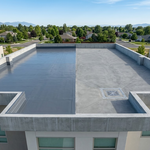
Concrete roof slabs are continuously exposed to rain, sunlight, and temperature fluctuations, making concrete roof waterproofing one of the most common applications in construction projects.
Basements
Basements are subject to groundwater pressure and therefore require waterproofing systems specifically designed to withstand hydrostatic conditions.
Wet Areas
Bathrooms, toilets, showers, and swimming pools require waterproofing to minimize water seepage into adjacent rooms and lower building levels.
Balconies and Terraces
Outdoor areas exposed to changing weather conditions need waterproof protection to prevent leaks from affecting the structure below.
Common Types of Waterproofing Systems
Various waterproofing methods are available for construction projects. However, the two most widely used systems are:
- Waterproofing membranes
- Waterproofing coatings
Both systems are designed to prevent water penetration, but they differ in material composition, installation methods, and ideal applications.
Waterproofing Membrane
Waterproofing membranes consist of sheet materials installed over structural surfaces to create a continuous waterproof barrier.
They are commonly specified for areas requiring high resistance to standing water and long-term weather exposure, including concrete roofs, basements, retaining walls, and structural slabs.
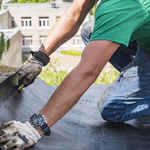
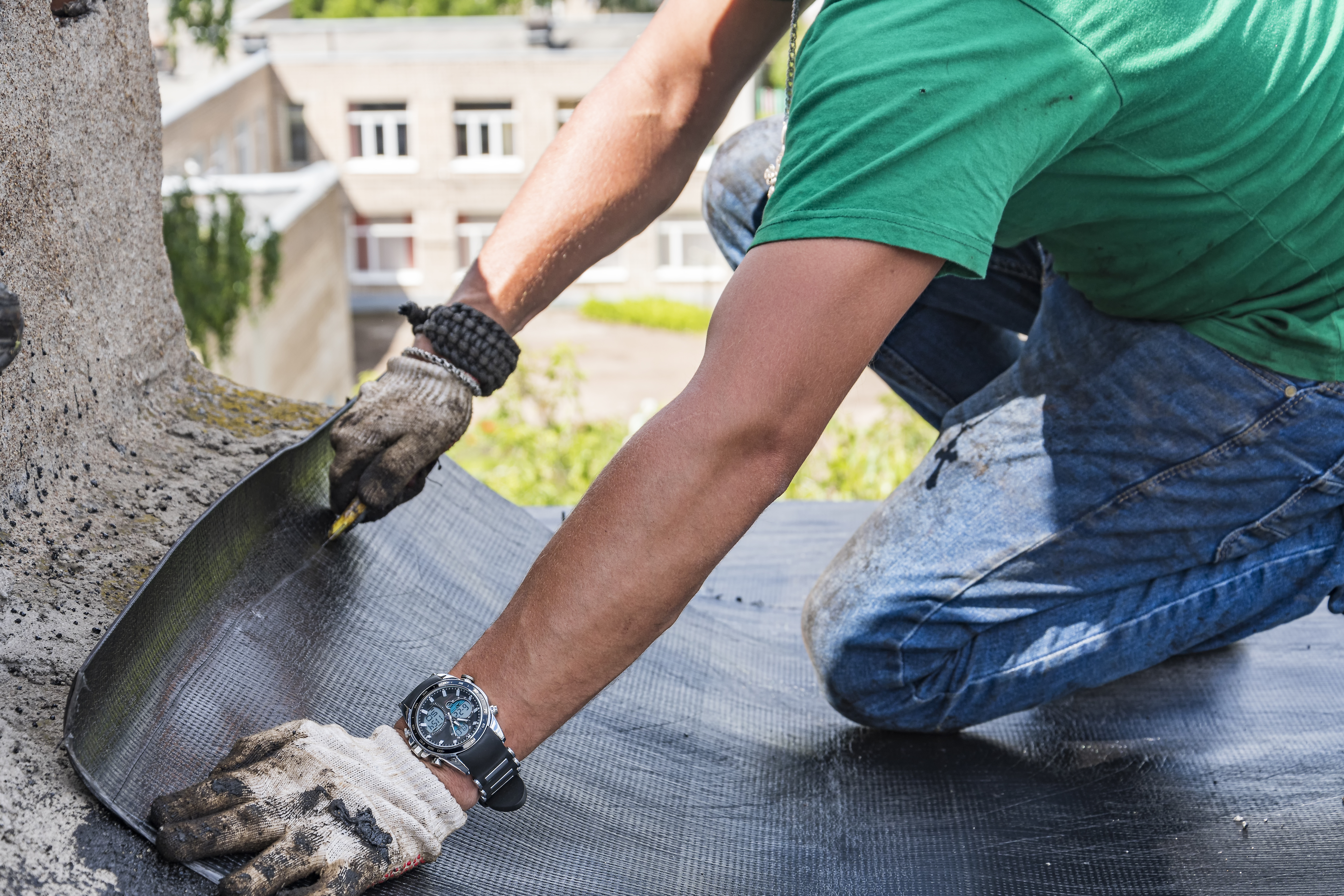
One of the most widely used systems is the torch-applied bituminous waterproofing membrane, which uses heat to bond the membrane securely to the concrete substrate.
Advantages of Waterproofing Membranes
- Excellent resistance to water and weather exposure
- Ideal for large surface areas
- Suitable for commercial and industrial projects
- Long service life when professionally installed
Important Considerations
- Installation requires experienced applicators
- Proper overlap detailing is essential
- Surface preparation greatly affects performance
Waterproofing Coating
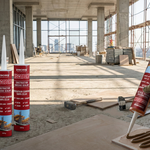
Unlike sheet membranes, waterproofing coatings are liquid-applied systems installed using brushes, rollers, or spray equipment. Once cured, they form a seamless waterproof layer that protects the substrate against water penetration.
Waterproofing coatings are often referred to as waterproof coatings or anti-leak coatings, as they are widely used to protect building surfaces from leaks and moisture damage.
Because they conform easily to irregular shapes and complex details, waterproof coatings are commonly applied to:
- Balconies
- Terraces
- Gutters
- Exterior walls
- Complex corners and detailing
In some projects, waterproof coatings are also used on concrete roof slabs where a seamless, flexible waterproof barrier is preferred.
Advantages of Waterproofing Coatings
- Flexible and adaptable to irregular surfaces
- Seamless application without joints
- Relatively easy to install
- Ideal for detailed architectural areas
Important Considerations
- Recommended coating thickness must be maintained
- Surface preparation is critical
- Some coating systems require periodic maintenance depending on environmental conditions
Waterproofing Membrane vs Waterproofing Coating
Although both systems provide waterproof protection, they differ in several important aspects.
| Feature | Waterproofing Membrane | Waterproofing Coating |
|---|---|---|
| Material Form | Sheet membrane | Liquid coating |
| Installation Method | Installed as overlapping sheets | Applied with brush, roller, or spray |
| Joints | Yes | Seamless |
| Large Surface Areas | Excellent | Suitable |
| Complex Shapes & Corners | Requires detailed installation | Highly flexible |
| Concrete Roof Applications | Commonly used | Suitable for specific project conditions |
How to Choose the Right Waterproofing System
Choosing the right waterproofing solution starts with understanding the environmental conditions and functional requirements of the building.
Consider the Application Area
Different areas require different waterproofing solutions. Concrete roofs, bathrooms, and basements each have unique performance requirements.
Evaluate Environmental Conditions
Factors such as:
- UV exposure
- Rainfall intensity
- Standing water
- Groundwater pressure
should all be considered before selecting a waterproofing system.
Consider Future Maintenance
In addition to initial performance, choose a waterproofing system that can be easily inspected and maintained throughout the building's service life.
Match the Construction Method
Every project has its own structural design and construction methodology. Waterproofing materials should be compatible with the project's specifications and installation procedures.
Common Waterproofing Installation Mistakes
Even premium waterproofing products may fail if they are installed incorrectly. Common installation mistakes include:
- Applying waterproofing over damp or dirty surfaces
- Failing to repair cracks before installation
- Ignoring corners, joints, and detailing
- Applying insufficient or uneven coating thickness
- Selecting the wrong waterproofing system for the application
Frequently Asked Questions (FAQ)
Does every concrete roof require waterproofing?
In most cases, yes. Concrete roofs exposed directly to rainfall should be waterproofed to reduce the risk of water infiltration and structural damage.
What is the difference between waterproofing membrane and waterproofing coating?
Waterproofing membranes are supplied as sheet materials, while waterproofing coatings are liquid products that cure into seamless protective layers.
How long does waterproofing last?
Service life varies depending on the material type, installation quality, environmental exposure, and maintenance program. High-quality systems installed correctly can provide many years of reliable protection.
When should waterproofing be installed?
Ideally, waterproofing should be incorporated during the construction phase. However, it can also be installed on existing buildings during renovation or repair projects.
Can waterproofing be applied to older buildings?
Yes. Existing structures can be waterproofed after a thorough inspection of the substrate and identification of the source of water intrusion.
Can waterproofing fix existing leaks?
Yes. Waterproofing is commonly used as part of leak repair projects. However, the source of the leak and the condition of the substrate must first be assessed to determine the most appropriate repair method.
Choose the Right Waterproofing Solution for Long-Term Protection
There is no single waterproofing system that suits every building. Each project has unique requirements based on its application area, level of water exposure, structural design, and construction method.
Understanding the characteristics of waterproofing membranes and waterproofing coatings is the first step toward selecting the right solution. With proper material selection and professional installation, waterproofing provides long-lasting protection against leaks, moisture intrusion, and structural deterioration.
Need expert advice? Contact Batara Group today to discuss the best waterproofing system for your residential, commercial, or industrial project and receive reliable, long-lasting waterproofing solutions tailored to your construction needs.